Cart
No products in the cart.
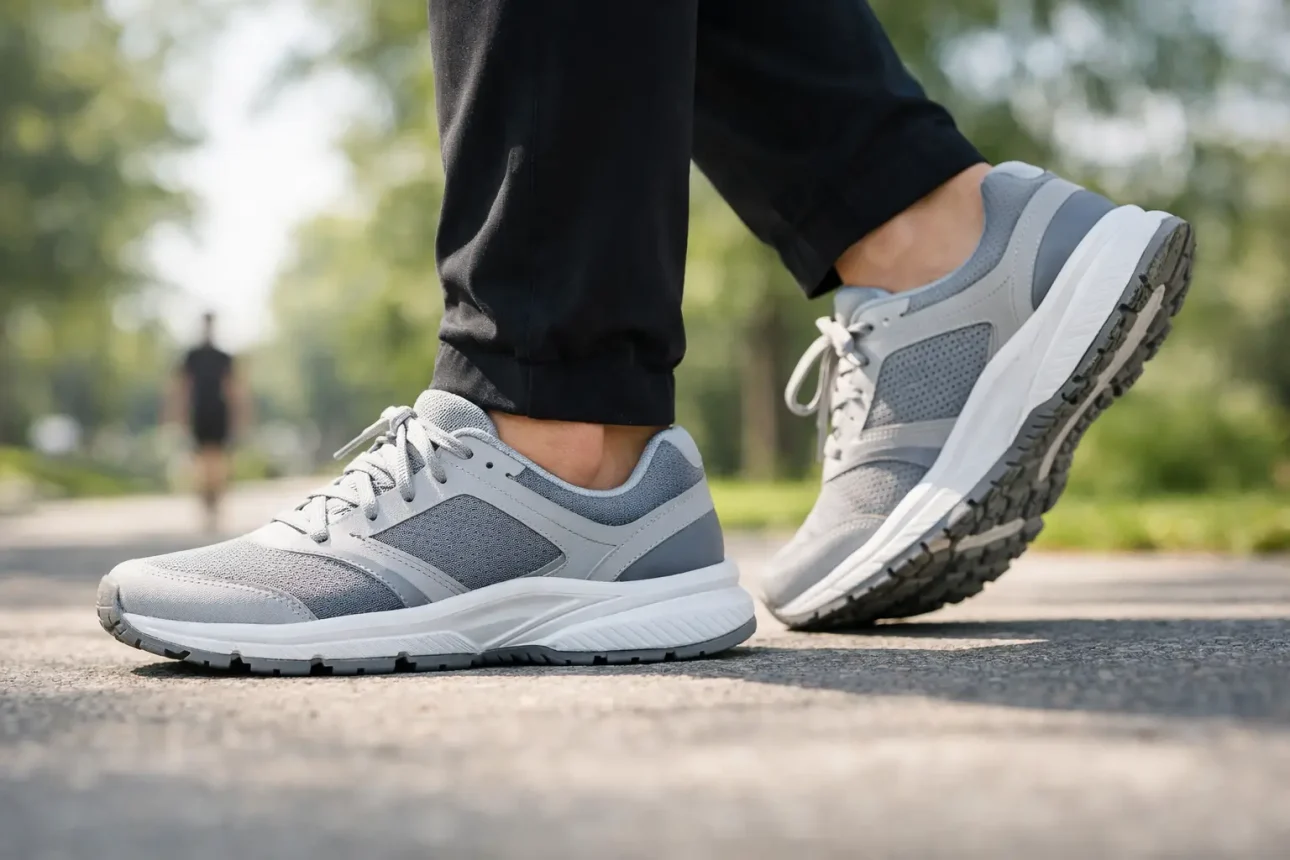
You know the feeling. A shoe feels fine for the first hour, then by lunch your feet are cooked. That’s why a real guide to daily walking shoes matters. Not for marathon training. Not for flexing on social. Just for getting through the day without thinking about your feet every five minutes.
Daily walking shoes need to do a boring job really well. They need enough cushion to keep your feet from feeling beat up, enough support to keep you stable, and a shape that doesn’t annoy you by the end of the day. If they look clean too, even better. But let’s be honest – comfort first. A good-looking shoe that wears terribly is still a bad shoe.
Most people get distracted by brand names, foam buzzwords, or whatever shoe is all over their feed. We don’t buy walking shoes that way. We start with one question: how do they feel after hours, not minutes?
That changes what matters. Soft cushioning helps, but too soft can feel sloppy. A firm ride can feel more stable, but some pairs go so stiff they feel dead underfoot. The best daily walkers sit in the middle. You want a shoe that feels comfortable right away but still has enough structure to keep you moving straight when you’re tired.
The upper matters more than people think too. If the mesh is thin and flexible in the right spots, your foot can move naturally. If it pinches across the toes or rubs the heel, skip it. No amount of trendy design fixes a bad upper.
Then there’s outsole grip and durability. If you walk a lot, cheap rubber disappears fast. That slick-looking sole might be fine for errands, but for real daily use, it needs to last. We’d take a slightly less flashy shoe with a tougher outsole every time.
A lot of shoppers assume the thickest shoe is the best one for walking. Sometimes it is. Sometimes it feels like walking on stacked pillows and your foot works harder just to stay balanced.
If you’re on your feet all day, max cushion can be great when the platform is stable. That’s why some Hoka and Brooks pairs work so well for long shifts or high step counts. They give you protection without making every step feel wobbly. But not every oversized midsole is a win. If the base is narrow or the foam is too squishy, your ankles will tell you.
For shorter walks, commuting, and everyday wear, a moderate cushion setup usually makes more sense. It feels more natural, less bulky, and easier to pair with normal clothes. That’s where a lot of New Balance, Asics, and Adidas walking-friendly models land. Enough softness. Enough control. No drama.
This is where people get burned. They try on a stiff shoe in the store, think it feels supportive, then hate it after two days. Support doesn’t mean rigid. It means the shoe keeps you stable without fighting your foot.
Look for a secure heel, a base that feels planted, and a midsole that doesn’t collapse sideways. That’s what gives you a steady ride. A shoe can bend where it should and still feel supportive.
If you overpronate or just know your feet roll inward when you get tired, don’t guess. Pick something with a more structured feel. Brooks and Asics usually do this well. They make plenty of shoes that don’t feel harsh but still keep things under control. If your stride is neutral, you’ve got more room to choose based on comfort and shape.
And yes, some people do better in simpler shoes. Not everyone needs a corrective-feeling setup. If a neutral shoe feels better and your feet are happy at the end of the day, that’s your answer.
A bad fit will make a solid model feel terrible. This is the part people rush, then regret.
Your walking shoes should have room in the toe box. Not clown-shoe space. Just enough so your toes aren’t jammed forward, especially later in the day when your feet swell a bit. Heel slip is a red flag too. A little movement can turn into rubbing fast.
Width matters more than most people think. If shoes always feel tight on the sides, stop trying to break them in. Some models run narrow. Some brands just fit slimmer. Nike, for example, can be a tough pick for wider feet depending on the model. New Balance and Brooks usually give you better options if you need more room.
Try shoes on later in the day if you can. That gives you a more honest fit. Morning feet lie.
There isn’t one perfect pair for everyone. That answer annoys people, but it’s true.
If you work on your feet, pick cushion and stability before style. You need a shoe that still feels decent at 5 p.m. That usually means a more performance-led option from Brooks, Hoka, Asics, or New Balance. You may not get the sleekest silhouette, but your feet won’t care.
If you’re walking for errands, commuting, travel, and general everyday wear, go for balance. You want comfort, but you also want something that doesn’t look like a nurse shoe from 2009. Adidas and New Balance do this well. Some Puma models work too, especially if you want a cleaner, more casual shape.
If style matters a lot, be honest about the trade-off. Some lifestyle sneakers are fine for lighter walking, but they’re not built for eight-mile days. Flat soles, minimal cushioning, and weak support catch up with you fast. They look good in photos. Less fun on concrete.
Brands have their lane. Pretending otherwise wastes your time.
Hoka is the pick if you want a lot of cushion and a rolling ride. Great for long days. Not everyone loves the chunky look.
Brooks is one of the safest bets for pure comfort and all-day wear. Usually not the coolest-looking shoe in the room. Usually one of the smartest buys.
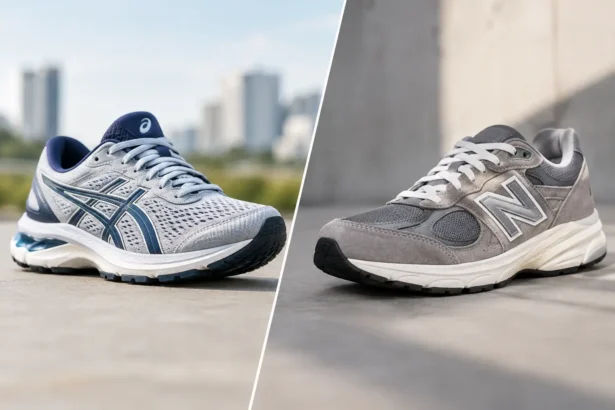
Asics tends to hit a nice middle ground. Stable, comfortable, often easier to wear daily without feeling overbuilt.
New Balance is strong if you want options. Good everyday walking picks, good widths, and some models that actually look sharp.
Nike makes some comfortable pairs, but we wouldn’t blindly shop the logo for walking. Some are great. Some are style first, comfort second.
Adidas can be a strong casual walking option, especially if you want a cleaner look. Just don’t assume every soft-feeling Adidas shoe is built for serious daily miles.
Puma has underrated everyday pairs. Not always our first pick for heavy all-day use, but better than people give them credit for.
A plush step-in feel sells a lot of shoes. It also fools a lot of people.
What matters is how the shoe feels after hours on pavement, tile, and concrete. Some pairs feel amazing for ten minutes, then flatten out. Others feel a little ordinary at first and get better the longer you wear them. We trust the second type more.
Look at the whole package. Cushion. Fit. Stability. Weight. Flex. None of these wins on its own. A soft shoe with a bad fit is still bad. A stable shoe that feels like a brick is still bad.
That’s why shopping by one feature rarely works. You’re not buying a spec sheet. You’re buying something your feet have to deal with every day.
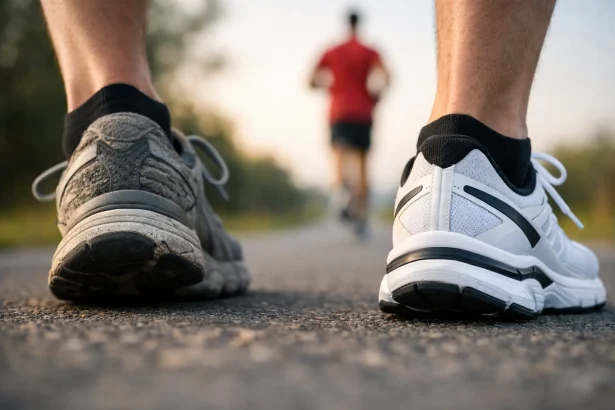
People keep daily walking shoes too long. If the outsole is worn smooth, the midsole feels flat, or one side is leaning, they’re done. If your feet start feeling more tired and nothing else changed, check the shoes first.
You don’t always need visible damage for a pair to be finished. Cushioning breaks down before the upper falls apart. A shoe can still look decent and feel cooked.
And if you walk a lot, don’t make one pair your only pair. Rotating between two solid pairs helps them last longer and gives your feet a break from the exact same pressure points every day.
The best guide to daily walking shoes is simple: pick the pair that still feels right when the day stops being easy. Ignore hype. Ignore looks-only shoes pretending to be practical. If you’re on your feet all day, skip flat lifestyle pairs. If you want one shoe for daily life, pick balance over gimmicks.
We’d rather see you in a slightly ugly shoe that feels good for six hours than a clean pair you can’t wait to take off. But if you can get both, that’s the sweet spot. Start there, trust your feet, and don’t overcomplicate it.