Cart
No products in the cart.
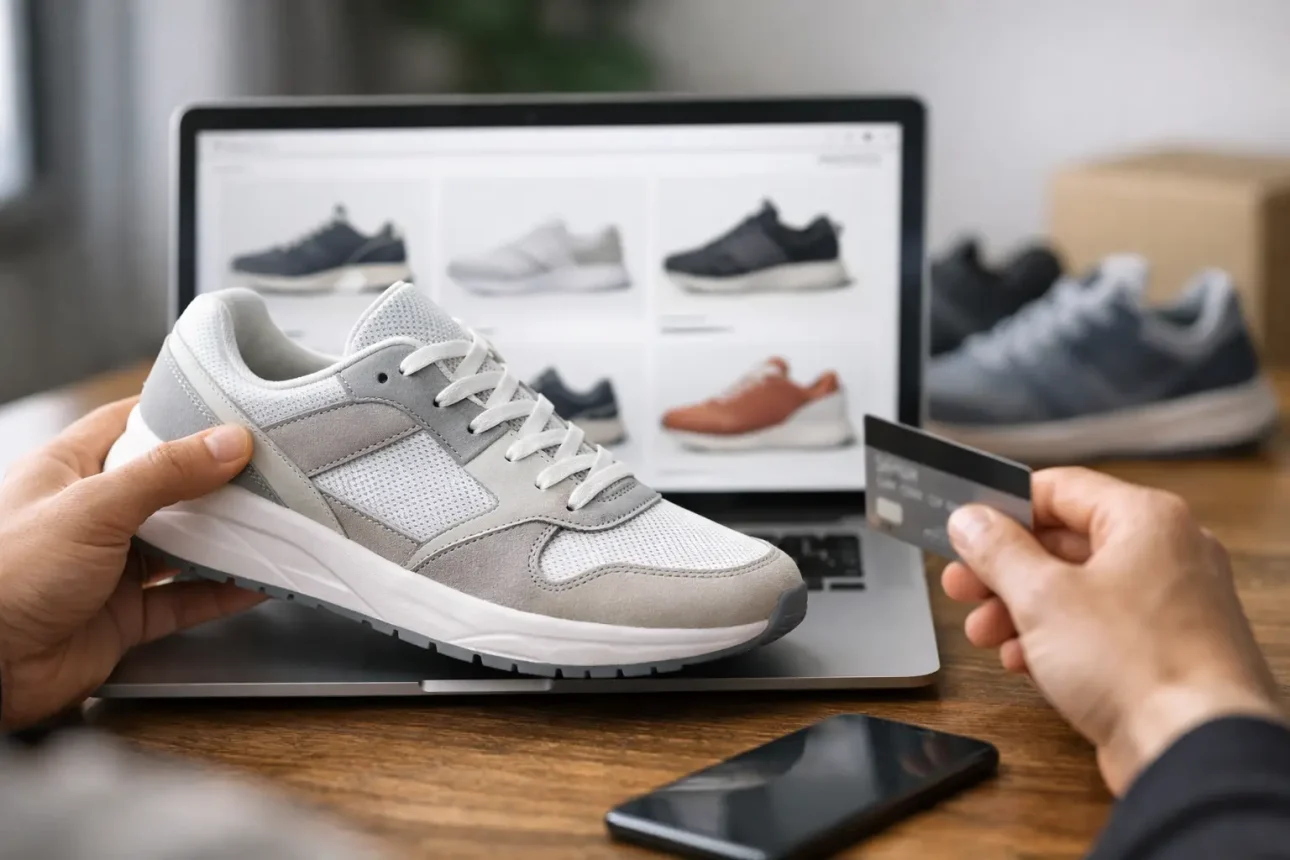
Buying sneakers online should be easy. Too often, it turns into three tabs open, ten reviews deep, and still no clue what to pick. If you’re trying to figure out how to buy sneakers online without getting the wrong size, the wrong style, or a pair that feels dead after a week, start with this – buy for your real life, not for the product page.
A lot of people get stuck because they shop backward. They start with what’s trending, what’s on sale, or what looks clean in photos. That’s how you end up with shoes that look good in the box and annoy you by lunch.
What are these actually for?
That sounds obvious, but most bad purchases happen right here. Running shoes are not the same as walking shoes. Fashion sneakers are not the pair you want for ten-hour shifts. And some shoes that feel soft for five minutes feel sloppy after a full day.
If you’re on your feet all day, skip flat lifestyle pairs with little support just because they look sharp. If you want something for casual wear, don’t overpay for a max-cushion runner you’ll never really use. And if you’re buying one pair to do everything, be honest – most shoes are better when they have a job.
We pick by use first. Running. Walking. Gym. Daily wear. Work. Travel. That cuts out half the noise fast.
Product images help with shape, color, and overall vibe. That’s it. Photos do not tell you if the toe box runs tight, if the heel slips, or if the midsole feels firm instead of soft.
This is where people get burned on sleek shoes. Slim silhouettes look great online. On foot, they can feel cramped, stiff, or just wrong for wider feet. On the flip side, some chunky pairs look ugly in product shots and feel amazing once you wear them for a full day.
If you’re picking between looks and comfort, decide how much that trade-off matters before you buy. Be honest. Some people want a sharp everyday sneaker and will deal with a firmer ride. Others need something that still feels good at 5 p.m. That’s not the same shopper.
Your size is not always your size. That’s the truth nobody likes, but it’s real.
Nike can fit narrower than New Balance. Adidas can feel different across models. Hoka often works for people who want cushion, but not every Hoka fits the same through the upper. Asics and Brooks can be solid for running and long days, but one model may feel dialed in while another feels too snug in the forefoot.
So don’t buy by number alone. Buy by your history.
Think about the pairs you already own. Which ones fit right? Which brands run tight on you? Which models gave you toe rub, heel slip, or that dead cramped feeling after an hour? Your own wear history matters more than random opinions from someone with a totally different foot.
If you’re between sizes, the right move depends on the shoe. For a narrow performance fit, some people size up half. For a roomier casual sneaker, that same move can leave you sliding around. If you wear thicker socks or use insoles, factor that in before you click buy.
Most people either ignore product descriptions or treat them like facts carved in stone. Neither works.
Use the details to answer a few basic questions. Is the upper mesh and flexible, or structured and stiff? Is the sole built for cushion, or is it more low-profile and grounded? Does the shoe sound light and breathable, or padded and secure? That’s the stuff that actually changes how a pair wears.
Ignore fluffy language. Focus on what will affect your day.
A breathable upper matters if your feet run hot. A wider base matters if you hate wobbly shoes. Extra cushion can feel great on long walks, but too much can also feel mushy if you want something snappy and stable. It depends on how you move and what annoys you most.
A lot of reviews are useless. “Love them” tells you nothing. Same with “Didn’t work for me” and no detail.
The good reviews mention fit, feel, and real use. Look for patterns. If five people say the toe box is tight, pay attention. If several people say the shoe feels heavy for running but great for walking, that’s useful. If people keep saying the same model rubs the heel, don’t assume you’ll be the lucky one.
Also, ignore extreme takes unless they explain themselves. Some shoppers expect every sneaker to feel broken-in on day one. Others buy the wrong use case and blame the shoe. A firm trainer isn’t bad because it isn’t pillow-soft. A fashion sneaker isn’t bad because it isn’t a running shoe.
This is where online shopping gets easier. Once you stop shopping by hype, categories start making sense.
If you walk a lot, look for cushioning, decent flexibility, and an upper that doesn’t feel like armor. If you stand all day, stability matters just as much as softness. A super plush shoe can feel nice at first and tiring later if it gets too squishy.
If you’re buying for running, don’t just grab the loudest model from a big brand. Casual runners usually do better with a balanced daily trainer than some aggressive speed-focused shoe that feels harsh at easy pace. If you mostly wear sneakers with jeans, cargos, or shorts, then shape and color probably matter more than tech. That’s fine. Just don’t expect a fashion-first pair to carry you through long active days.
For one-shoe buyers, we usually take a side – go with a versatile daily sneaker that leans comfortable. You can wear a clean comfort pair in more places than you can force a stiff style pair into all-day use.
If you’re learning how to buy sneakers online, this part matters just as much as the shoe itself. A clear return policy is not extra. It’s part of the product.
Check the basics before you buy. How long do you have to return them? Do they need to be unworn outside? Is return shipping reasonable? Can you exchange sizes without a hassle? If that information is hard to find or written like a trap, skip the store.
Same goes for shipping and order tracking. You should know when the pair is coming and what happens if something goes wrong. Buying online always has some guesswork. Good store policies cut that risk down.
Everybody likes a deal. We do too. But the cheapest pair is often the one you replace first or stop wearing after three days.
A better move is to set a real budget, then buy the strongest option in that range. Sometimes that means grabbing a proven model on sale instead of chasing the newest version at full price. That’s usually smarter. Last season’s solid runner still works. Last year’s clean lifestyle pair still looks good.
What you don’t want is fake value. A shoe can be discounted hard and still be a bad buy if the fit is weird, the outsole wears fast, or it only works with one outfit. Cheap isn’t cheap if it sits by the door unworn.
Brand loyalty can get silly, but fit history is useful.
If New Balance usually works for your foot, that matters. If Nike always feels narrow on you, stop trying to force it. If Brooks or Asics have been reliable for long hours, don’t ditch them because some louder pair is having a moment online.
That doesn’t mean never try something new. It means don’t gamble for no reason. The best online buy is often the brand you already trust in a model that fits your actual use.
And yes, some brands are stronger in certain lanes. Hoka has real fans for cushion. Adidas has clean lifestyle options and some good performers. Puma can be a strong style play. Not every brand wins in every category. Shop accordingly.
Don’t make your first online sneaker buy harder than it needs to be.
Pick a color you will actually wear. Black, white, gray, and simple mixed tones get worn more than loud pairs for most people. Choose one use case. Don’t try to solve work, running, dinner, and travel with a single wild-card shoe unless you really know what you’re doing.
And if two pairs seem close, pick the one with fewer risks. Better fit history. Better return terms. More realistic for your day. That’s usually the right call.
We like a sharp sneaker as much as anyone. But the pair you keep reaching for is the one that wins. Not the one with the coolest product shots. Not the one people won’t shut up about. The one that feels right when your day gets long. That’s the pair worth buying.