Cart
No products in the cart.
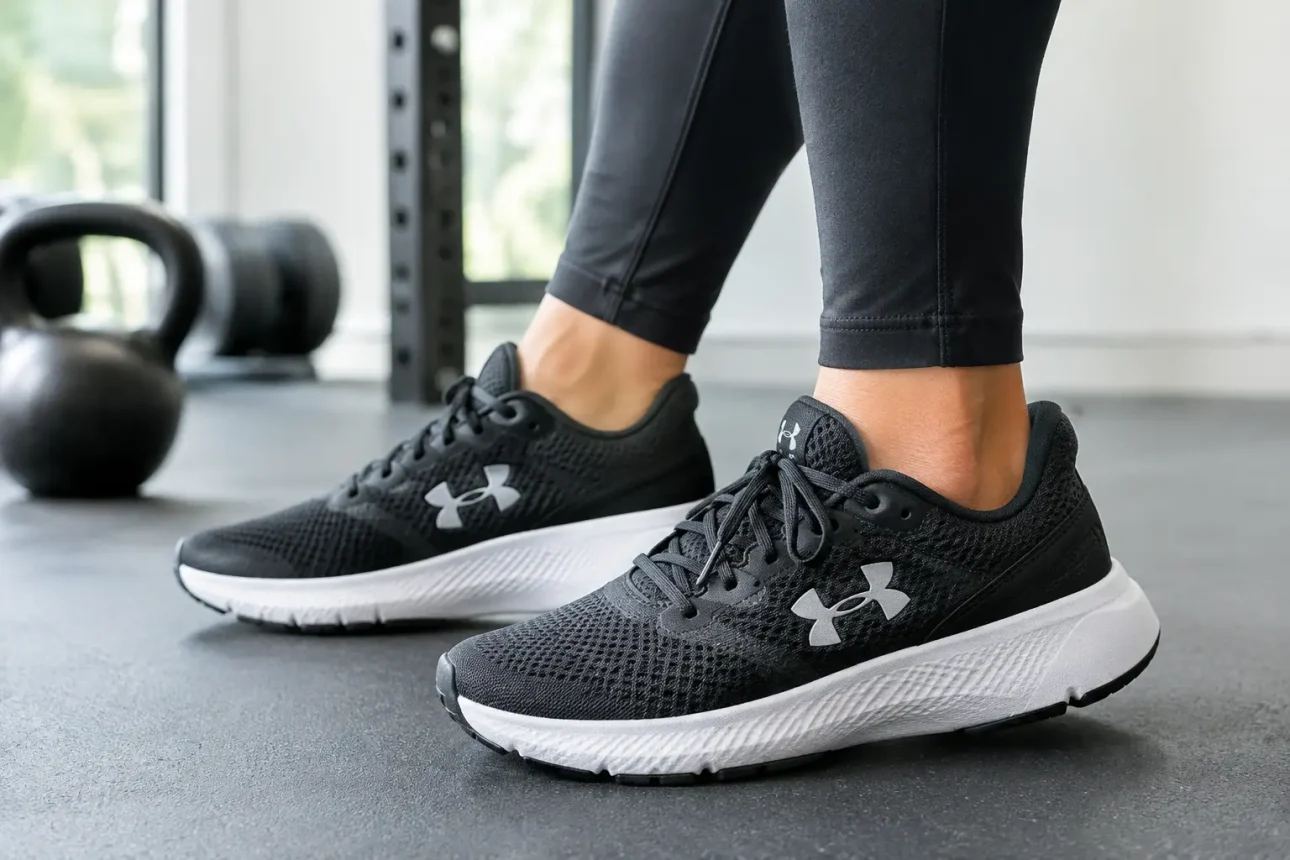
A soft running shoe can feel amazing on a treadmill, then turn into a wobbly mess the second you pick up a barbell. That is why finding the best sneakers for gym training is less about buying the most cushioned pair and more about matching the shoe to the work you actually do.
We see people make the same mistake all the time. They buy a great-looking lifestyle sneaker, wear it for leg day, and wonder why their feet slide around. Or they buy a lifting shoe, then hate every minute of a HIIT class. A gym shoe has a job. Pick the right one and your workout feels better. Pick the wrong one and you will notice it fast.
A solid gym shoe needs a stable base, enough grip for quick changes of direction, and a secure upper that does not let your foot drift inside the shoe. It should also feel good when the workout runs long. Sounds simple. It is not.
For lifting, we want a flatter, firmer platform. Squats, deadlifts, lunges, and leg presses feel more planted when your shoe is not packed with soft foam. That cloud-like running feel is the wrong move under heavy weight.
For HIIT, circuits, and bootcamp classes, you need more flex and a bit more cushioning. You are jumping, sprinting, shuffling, and dropping into burpees. A shoe that is too stiff gets annoying. One that is too soft gets sketchy when you land or cut sideways.
If your gym session is mostly treadmill miles, a real running shoe still makes sense. Just do not expect it to be your best shoe for heavy lifting. No single pair is perfect at everything, and anyone claiming otherwise is selling you a story.
The Nike Metcon 9 is where we start for people who lift seriously but still want a shoe they can wear for general gym work. The heel is firm and stable, the outsole grips well, and the wide base gives you a confident platform for squats and deadlifts.
It is not a running shoe. Do not buy it for long treadmill sessions and act surprised when it feels stiff. But for strength training, sled pushes, rope climbs, and short conditioning blocks, it is tough and dependable. It also looks clean enough to wear outside the gym, which does not hurt.
The trade-off is obvious: the more stable build means less natural flex than a lighter trainer. If you spend half your class jogging or doing high-rep jump work, keep reading.
The Nike Free Metcon 6 is the better pick when your workouts change every day. It keeps the stable heel that makes lifting feel controlled, but the front of the shoe flexes more naturally for sprints, mountain climbers, and bodyweight work.
We like it for the person who does a little of everything and does not want a closet full of training shoes. It feels lighter and more mobile than the Metcon 9 without becoming a squishy running sneaker.
There is a limit. If you are deadlifting heavy every week, the Metcon 9 is the stronger choice. If your workout is mostly movement, intervals, and moderate lifting, the Free Metcon makes more sense.
The Adidas Dropset 3 is a strong option if you want a firm, grounded shoe and do not care about chasing the lightest pair in the room. It has a broad base, a grippy outsole, and a locked-in feel that works well for strength sessions and functional training.
We especially like this style of shoe for people who are tired of unstable foam underfoot. Your feet stay closer to the ground, which is exactly what you want when you are pressing, pulling, or pushing weight.
The Dropset is not subtle. It has a more substantial feel than a sleek lifestyle sneaker. But that is the point. It is built to take a beating, not just look good next to a squat rack.
The Puma PWRFrame TR 3 is a good middle ground for gym-goers who want support without a stiff, brick-like ride. The frame around the midfoot helps the shoe stay stable during side-to-side work, while the cushioning keeps it friendlier for circuits and everyday training.
We pick it for someone who does machines, dumbbells, cardio bursts, and group classes in the same week. It is less specialized than a Metcon and more useful than a fashion sneaker pretending to be a trainer.
If your feet run wide, try training shoes on carefully. A secure fit is good. A cramped toe box is not. You should have room to spread your toes when you squat and land, not feel like your foot is being squeezed into shape.
The New Balance Minimus TR is for people who want to feel close to the floor. It is light, low, and flexible, with less built-up cushioning than most modern trainers. For lifting, agility work, and short gym sessions, that can feel excellent.
This is not the shoe we would hand to someone who wants plush comfort for lots of treadmill running. It is a more direct ride. You feel the ground more, and your feet do more work. Some people love that. Some people should skip it.
If you have only worn thick, soft sneakers, ease into a lower-profile trainer. Do not take it from the box to a two-hour workout and blame the shoe for your bad plan.
We get it. A clean pair of Nike Air Force 1s, Adidas Sambas, or classic New Balance sneakers can look sharp with gym clothes. But most lifestyle shoes are not built for training. Their soles may be too flat, too hard, too narrow, or too slippery for the way you move under load.
Flat shoes can work for basic lifting if they feel stable. That does not mean every flat shoe belongs in the gym. The upper still needs to hold your foot in place, and the outsole needs grip. If the shoe twists easily or your heel lifts during lunges, skip it.
The same goes for max-cushion running shoes. They are great for easy miles and walking. They are usually a bad call for lifting because that tall, soft stack makes your base less steady. Comfortable is not the same as useful.
Your training shoe should feel secure through the heel and midfoot, with enough room up front for your toes to move. Your foot should not slide when you cut sideways or push off for a jump. If it does, size down only if your toes still have room. Otherwise, try another model.
Do not buy gym sneakers extra big for comfort. Too much empty space makes fast movements sloppy. Do not buy them painfully tight either. Training means bending, bracing, landing, and spreading your toes. Your shoe has to let you do all of that.
Try them with the socks you actually wear to the gym. It sounds basic because it is basic. Thin socks, thick socks, and no-show socks can completely change the fit.
If you lift heavy and run often, get two pairs. One stable trainer for weights and one running shoe for miles. That is not overkill. It is using the right tool for the job.
If your training is mostly classes, light-to-moderate weights, and short cardio blocks, one hybrid trainer is enough. The Nike Free Metcon 6, Puma PWRFrame TR 3, or a similar cross-trainer gives you the best balance.
We would rather see you own one pair that matches your training than three pairs chosen because the colors looked good online. Start with what you do most. Your feet will tell you whether you need a second pair soon enough.