Cart
No products in the cart.
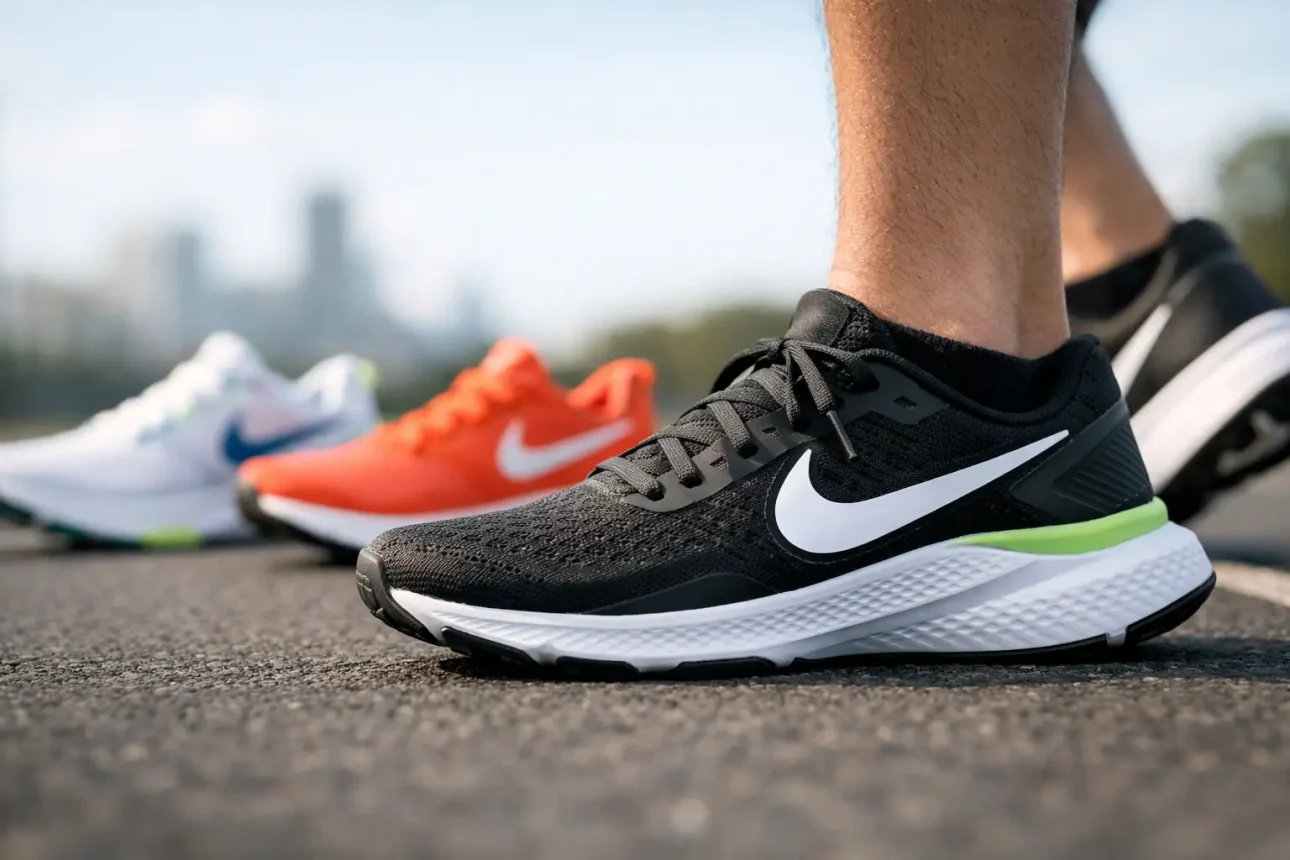
Some Nike runners look fast sitting on a shelf and feel rough by mile three. That’s the problem with a lot of nike running shoes review content – too much hype, not enough honesty. We’re not here to sell you a dream. We’re here to tell you which Nike running shoes actually feel good, which ones are overpriced, and who should buy what.
Nike is still one of the biggest names in running for a reason. The brand knows how to make shoes that look sharp, feel light, and get attention. But a good-looking shoe is not always a good running shoe. Some Nike pairs are solid daily trainers. Some are race-day weapons. Some are better for walking around town than logging real miles.
Nike is at its best when it keeps things simple. Light uppers. Smooth ride. Strong energy return on the right models. If you like a shoe that feels quick and doesn’t drag, Nike usually does that well.
The brand also understands that people want one shoe to do more than one job. A lot of runners are not training for Boston. They want something that can handle a jog, a long day out, and maybe a grocery run after. Nike often wins on that mix of performance and style. Some running brands make great shoes that look like medical equipment. Nike usually doesn’t.
Fit is where things get more mixed. A lot of Nike running shoes run a bit snug, especially through the midfoot and toe box. If you have wider feet, you need to pay attention. Don’t assume every Nike model will work just because one did. That’s how people end up with black toenails and regret.
Durability also depends on the model. Some Nike shoes hold up well for regular training. Others feel great early on and lose their edge faster than they should for the price. That matters if you actually use your shoes instead of posting them.
Nike has a few core running families, and each one has a clear job. Once you know that, shopping gets easier.
This is the safe pick. Not exciting. Not flashy. Just dependable. The Pegasus is Nike’s daily trainer and for most people, it’s the easiest one to recommend.
It works for short runs, easy miles, treadmill sessions, and general wear. It usually has enough cushioning for comfort without feeling mushy. We like it for people who want one pair that can handle most things. If you’re a casual runner or just getting back into it, start here.
The downside is simple. The Pegasus can feel boring. If you want a super soft ride or a really bouncy feel, this probably won’t wow you. It’s more solid than fun. But boring is fine when the shoe keeps doing its job.
If you want more cushion, look at the Vomero. This is the comfort-first Nike trainer. It’s made for people who want softer landings and a more forgiving ride.
We like the Vomero for longer runs, recovery days, and people who spend a lot of time on their feet. It feels plusher than the Pegasus, which some runners love. If your old shoes leave your legs feeling beat up, this line makes sense.
The trade-off is weight and feel. A softer shoe can feel less snappy. If you like a fast, connected ride, the Vomero might feel a little too relaxed.
The Structure is Nike’s stability option. That doesn’t mean it’s only for serious overpronators or people deep into gait charts. It just means it offers more support and guidance than the neutral models.
We’d look at the Structure if your feet roll inward a lot, or if neutral shoes leave you feeling sloppy and tired. It can also be a good call for walkers and people standing all day who want something more stable underfoot.
The problem is that stability shoes can feel clunky when brands overdo them. Nike usually keeps the Structure cleaner than a lot of rivals, but it still won’t feel as free as a Pegasus.
This is the big cushion, high-stack option. The Invincible is soft, bouncy, and built to eat up easy miles. Some people put it on and never want to take it off. Others think it feels unstable and too tall.
That split tells you everything. If you like max cushion and want your runs to feel easy on your legs, this shoe can be worth it. If you hate feeling disconnected from the ground, skip it.
It’s also not the best one-shoe solution for everyone. Great for comfort. Less great if you want precision.
These are the fast shoes. Race shoes. Expensive shoes. Very good shoes for the right person.
If you’re chasing times, these matter. Nike still makes some of the most effective supershoes around. The cushioning and plate setup can help you feel quicker and fresher over hard efforts.
But let’s be honest. Most people do not need them. If you run a couple times a week and just want a comfortable shoe, don’t burn your money here. These are not daily trainers. They wear faster, cost more, and make the most sense when speed is the point.
Nike can overprice a shoe based on the logo and the look. That’s real. You’ll sometimes pay premium money for a model that feels only decent.
The fit can also be annoying across the lineup. If you have wide feet, Nike is not always your easiest option. Some models break in well. Some never stop feeling tight. If you already know snug shoes bother you, don’t talk yourself into them because the color is clean.
There’s also the issue of model confusion. Nike updates shoes often, changes the feel, then keeps the same family name. One version of a shoe can be a favorite. The next one can feel off. That makes blind repeat buys risky.
Nike works best for runners and everyday wearers who care about comfort but still want a shoe that looks good with normal clothes. If you want a trainer that can run in the morning and still look right with jeans later, Nike has an edge.
We also like Nike for people who prefer a lighter, quicker feel over a heavy, bulky one. A lot of Nike models feel athletic in a good way. Less brick, more movement.
If you have average-width feet and want a simple place to start, the Pegasus is tough to beat. If you want more softness, the Vomero or Invincible makes more sense. If support matters, go Structure.
If you have wide feet, be careful. Not every Nike running shoe is narrow, but enough of them are that we wouldn’t call the brand wide-foot friendly overall.
If durability is your top priority, some Nike models may frustrate you. There are shoes from other brands that feel less exciting out of the box but hold up longer. That matters if you rack up miles fast or hate replacing shoes often.
And if you just want max comfort for long work shifts, not actual running, don’t assume Nike is automatically the best call. Some Nike runners do that job well, but some are built more for speed and style than all-day standing.
Nike makes some very good running shoes. It also makes some shoes that live off reputation. That’s the truth.
If you buy the right model for the right use, Nike is worth it. The Pegasus is worth it for most people. The Vomero is worth it if comfort is your priority. The Structure is worth it if you need support. The racing models are worth it only if you’re actually racing or training hard enough to notice the difference.
If you buy based on looks alone, your odds drop. Nike is strong at making shoes you want to wear. That doesn’t mean every pair deserves your money.
If you want one clean answer, here it is. Nike is still a solid pick, but not a blind pick. Buy Pegasus if you want the safest all-around option. Buy Vomero if you want more softness. Buy Structure if you need support. Buy Vaporfly or Alphafly only if you’re serious about speed.
Everything else comes down to your feet, your runs, and how honest you’re willing to be about what you actually need. The best shoe is not the loudest one. It’s the pair you forget about once you start moving.