Cart
No products in the cart.

Your sneakers do not need holes in the upper to be worn out. If your knees feel beat up after a normal walk, the tread is smooth, or one heel leans sideways, the shoe has already told you it is done.
So, how long do sneakers last? For most people, a pair lasts roughly 300 to 500 miles of running or walking. For everyday wear, that often works out to six months to a year. But mileage is only part of it. A shoe worn for long shifts on concrete can die faster than a running shoe used three times a week.
We would rather give you the real answer than pretend every pair has the same expiry date. The right time to replace sneakers depends on what you wear them for, how you walk or run, your body weight, and whether you make one pair do every job.
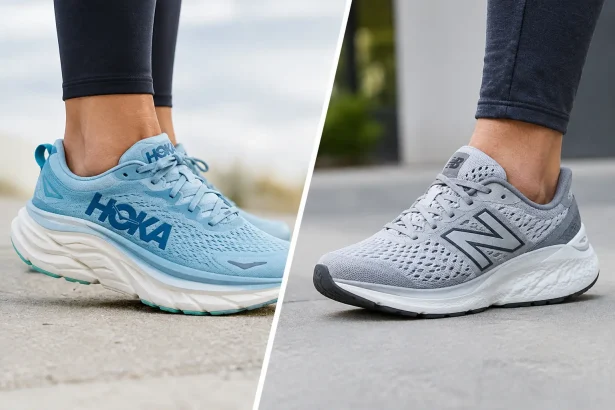
A running shoe usually has the clearest lifespan: around 300 to 500 miles. Lighter racing shoes and soft, max-cushioned models can fall closer to the low end. Tough daily trainers with firmer foam may push farther. Do not stretch a running shoe to 700 miles because the upper still looks clean. The foam can lose its bounce long before the shoe looks rough.
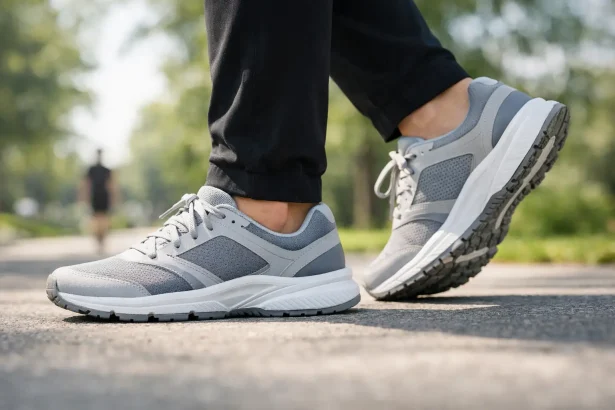
Walking shoes often last longer in calendar time because most people cover fewer miles. If you walk a couple of miles most days, expect around eight to 12 months. If you work retail, healthcare, hospitality, or any job that keeps you standing and moving all day, six months is a more honest target.
Lifestyle sneakers are different. A pair you wear to dinner, class, or errands can last one to three years. The issue is not always cushioning. It may be cracked leather, a separating sole, worn heel lining, or a sole that has gone slick. Fashion sneakers can look sharp for a long time, but they are not always the pair we would pick for 10-hour shifts.
Court shoes, gym shoes, and trail shoes wear out based on their own job. Basketball and tennis shoes take hard lateral cuts, so look closely at the outsole edges and sidewall support. Trail shoes lose grip before they lose cushioning. If the lugs are worn flat, wet rocks and loose dirt will remind you fast.
The clearest warning is a change in how the shoe feels. A sneaker that once felt soft and steady may start feeling flat, unstable, or oddly hard. That is usually compressed midsole foam. You cannot fluff it back up with a wash or a new insole.
Look at the outsole next. Worn tread under the heel or forefoot reduces grip, especially on wet sidewalks. Uneven wear matters too. A heavily worn outer heel, for example, can tilt the shoe and make it feel less stable. Some wear is normal. A sole that is visibly lopsided is not.
Check the shoe from behind on a flat table. If the heel collar folds inward or the whole shoe leans to one side, skip the idea of getting a few more months from it. That structure is no longer doing its job.
Pay attention to your body as well. New soreness in your feet, shins, knees, or lower back does not automatically mean your sneakers are the cause. Training changes, hard surfaces, and long workdays all matter. Still, if the discomfort started around the same time your shoes began feeling dead, replace the pair before blaming yourself.
A torn upper is annoying, but it is not always a deal breaker. If the sole still grips, the midsole feels good, and the tear does not affect fit, you may have time left. Split soles, exposed foam, or a sole peeling away from the upper are different. Retire them.
Concrete is tough on shoes. A person who stands on hard floors all day can flatten a cushioned sneaker faster than someone who runs the same pair on softer paths. Heat also matters. Leaving shoes in a hot car can dry out glues and make foam age faster. That trunk is not sneaker storage.
Your gait and body weight affect wear, too. Heavier use puts more load through the midsole. If you drag one foot slightly or strike hard on one side, you may burn through a heel faster. That is not a failure on your part. It just means you should inspect your shoes more often.
Wearing one pair every day is the biggest mistake we see. Sneakers need time to dry out after sweat and rain. More importantly, one pair used for commuting, workouts, work shifts, and weekends gets crushed much faster. Do not make them your only pair.
Washing machines are rough on sneakers. The spinning and soaking can distort foam, weaken glue, and leave shoes slow to dry. Brush off dirt, use mild soap and cool water on the upper, then let them air dry indoors. Keep them away from radiators, dryers, and direct heat.
You do not need to treat shoes like museum pieces. Just use the right pair for the right day. Keep a running shoe for running, a work-friendly walking shoe for long standing days, and a casual pair for everything else. Two pairs in rotation can last longer than one pair you grind into the floor.
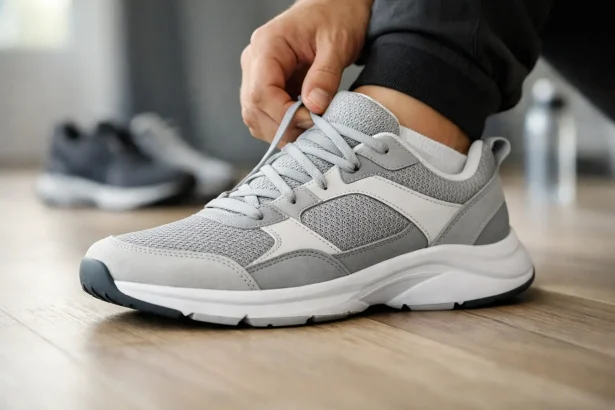
Untie your laces before taking shoes off. Yes, it takes five extra seconds. But stomping on the heel to pull them off crushes the heel counter, which is the firm cup that helps hold your foot in place. Once that part collapses, the shoe starts feeling sloppy.
Let damp shoes dry naturally for a full day when you can. Pull out the insoles and stuff the shoes loosely with plain paper if they are soaked. Do not use heat. Heat is fast, but it is hard on the materials that make a sneaker feel good.
If your outsole still has grip and the shoe feels supportive, a fresh insole can improve comfort. It will not restore dead midsole foam. Insoles sit on top of the cushion. They do not rebuild the cushion underneath. If the shoe feels flat from heel to toe, save your money for a new pair.
This is where people get caught out. Clean sneakers can be worn out. Foam breaks down through repeated compression, and it can also age while sitting in a closet for years. A pair you bought five years ago and barely wore may look new but feel stiff, dry, or unstable.
For runners, track mileage if you can. Use your phone notes, a running app, or a quick note in your calendar when you start a new pair. You do not need perfect data. Knowing you are around 400 miles is enough to start paying attention.
For work and daily wear, use a simple check: do your feet feel noticeably worse at the end of the day than they did a few months ago? If the answer is yes, inspect the sole and midsole. People who are on their feet all day should not wait for a sneaker to look destroyed. By then, it has usually been done for a while.
At Sneaker Loft, we pick shoes based on how people actually use them. A sleek low-profile sneaker might be perfect for weekends. For long shifts or daily walks, we would pick a supportive running or walking model with enough cushion and a stable base instead.
The longest-lasting sneaker is not always the toughest-looking one. It is the pair that matches your routine. A casual runner needs a daily trainer, not a stripped-down race shoe. Someone on hospital floors needs more support than a flat fashion sneaker can give. And if you want clean style for everyday wear, save your performance pair from needless pavement miles.
Replace sneakers when they stop feeling steady, protective, and comfortable. Not when they become embarrassing. Your feet put in the work. Give them a pair that still does its part.