Cart
No products in the cart.
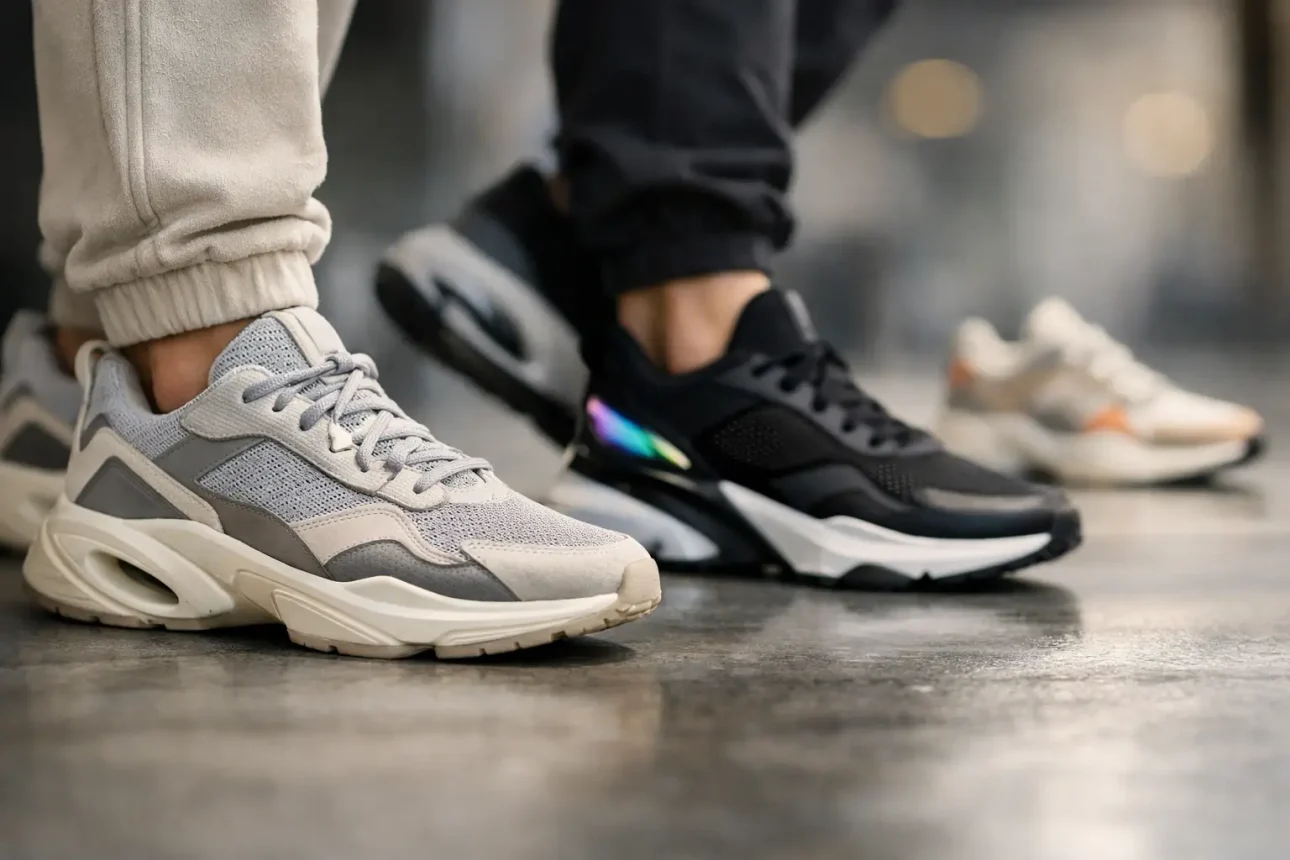
Some years in sneakers are loud. 2026 doesn’t look like one of them. That’s a good thing. The best sneaker trends 2026 are less about showing off and more about what you’ll actually wear three times a week without regretting it.
We’re seeing brands calm down a little. Fewer weird details for the sake of being weird. Better everyday shapes. More comfort built into shoes that don’t look like medical equipment. Not every trend deserves your money, though. Some are solid. Some are just old ideas wearing a new outfit.
The biggest shift is simple. Sneakers are getting easier to live with.
For a while, the market swung between two extremes. On one side, loud fashion pairs that looked good in photos and felt bad by lunch. On the other, max-cushion performance shoes that were great for your feet but hard to wear with normal clothes. In 2026, more brands are finally meeting in the middle.
That means cleaner uppers, less clutter, and cushioning that feels soft without making the shoe look huge. It also means more pairs that can handle commuting, walking, errands, and casual outfits without forcing you to change shoes halfway through the day.
We’re into that. Most people don’t need a museum piece. They need a sneaker that looks sharp, feels good at 5 p.m., and still works with jeans, shorts, or relaxed pants.
The chunky wave isn’t dead, but it’s losing ground. Slimmer retro runners keep winning because they’re easier to wear and easier to trust.
Think classic running shapes with lower profiles, cleaner toe boxes, and less bulk underfoot. Brands like Adidas, New Balance, Puma, and Asics are all in a good spot here because they already know how to make archive styles feel current without turning them into costume shoes.
This trend works because it gives you style without drama. A slim retro runner can dress up a basic outfit fast. Throw one on with straight-leg pants and a tee, and you’re done. No overthinking.
The trade-off is comfort. Some retro pairs still ride flatter and firmer than people expect. They look great, but not all of them are built for full-day wear. If you’re on your feet all day, don’t buy based on shape alone. Some old-school silhouettes still feel old-school in the wrong way.
We pick the versions that quietly update the underfoot feel. Better insoles help. A little more foam helps. A slightly wider base helps even more. If a retro sneaker stays too true to the past, your feet will know.
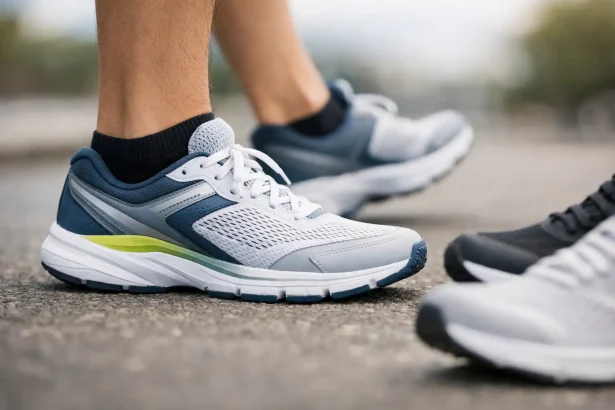
This is one of the best things happening right now. Running brands are making shoes that feel built for movement but don’t scream gym bag.
That matters because a lot of people buying sneakers are not chasing race-day stats. They want one pair that can handle a walk, a casual run, travel days, and regular life. Shoes from Hoka, Brooks, Asics, and New Balance are getting better at this balance.
The look is cleaner than it used to be. Less awkward branding. Better color choices. Midsoles that still give you cushion but don’t look cartoonish. If you care more about comfort than nostalgia, this is probably the lane to watch.
There’s still a line, though. Some performance pairs are too technical-looking to work as everyday shoes unless your whole outfit leans sporty. That’s fine if that’s your style. If not, pick the simpler ones. Skip the pairs with wild overlays, aggressive rocker shapes, or color combos that look like energy drink cans.
A lot of sneaker trends 2026 come down to color. Brands are easing off the constant flood of loud pairs and putting more weight behind neutrals that people actually wear.
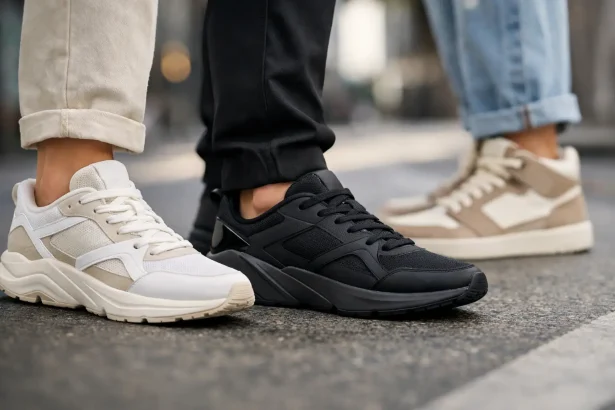
White, gray, off-white, navy, faded green, brown, and soft silver are all staying strong. Not boring. Useful. There’s a difference.
A clean neutral sneaker gets worn more. That makes it a better buy. It also tends to age better. Bright trend colors can hit hard for a month and then feel dated fast. A gray runner with a good shape doesn’t have that problem.
We’re not against loud colors. Some are fun. But if you want value from a pair, neutrals win. Especially if you’re buying one main pair instead of five side pairs.
Silver accents and metallic finishes are still in the mix, especially on running-inspired styles. Sometimes it looks sharp. Sometimes it looks cheap.
The difference is restraint. A little silver can make a shoe feel cleaner and more technical. Too much and it starts looking like a costume from a bad future movie. We’d keep it subtle.
Material choice matters more in 2026 because shape alone isn’t doing all the work. We’re seeing more sneakers use suede, open mesh, nylon, and mixed panels to add depth without overdesigning the shoe.
This is a good move. Flat leather can still work, especially on court-inspired pairs, but mixed materials usually look richer and break in better. They also make neutral colors feel less plain.
Retro runners benefit most here. A gray suede and mesh shoe has way more character than a smooth leather pair trying to do the same job. It looks lived-in faster, in a good way.
The downside is upkeep. Suede and mesh aren’t as forgiving in bad weather or dirty conditions. If you beat up your shoes or need one pair for everything, leather still has a place. Just don’t assume it looks better by default. A lot of all-leather lifestyle sneakers feel stiff, shiny, and a little dated right now.
For years, people accepted ugly sneakers because comfort won the argument. Fair enough. If your feet hurt, style gets real unimportant real fast.
But brands don’t get a free pass anymore. In 2026, comfort still matters most, but shoppers want shoes that look decent too. That’s pushing brands to clean up bulky silhouettes, tame oversized soles, and make supportive shoes less awkward.
We like that shift. You shouldn’t have to choose between a shoe that feels good and a shoe that doesn’t make your outfit look confused.
That said, some ugly-comfy pairs are still worth it if your day is brutal. If you work on your feet, commute hard, or walk a ton, function can still beat looks. Just be honest about what you need. If a shoe is mostly for standing and walking, pick comfort first. If it’s mostly for casual wear, you can afford to care more about shape and styling.
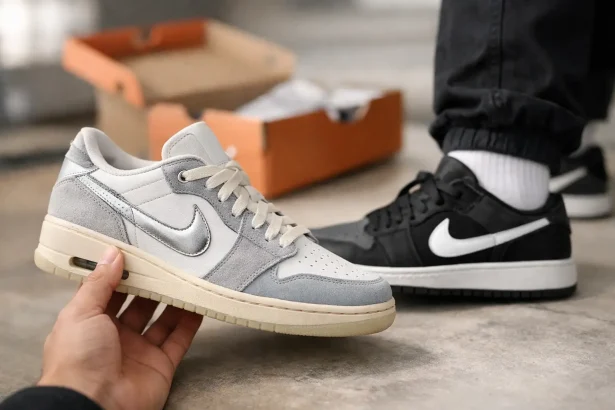
Simple court sneakers are not going anywhere. The difference now is that the cleaner pairs are pulling ahead, while overly padded throwback versions are starting to feel tired.
Low-profile tennis and indoor-inspired shoes are still easy winners because they work with almost everything. Adidas and Puma stay strong here, and Nike still has plenty of pairs that get the formula right. Clean sidewalls, simple branding, and a shape that doesn’t fight the rest of your outfit. That’s the move.
The pairs we’d skip are the ones trying too hard to look vintage through fake yellowing, heavy distressing, or extra-thick tongues. That stuff had its moment. Now it mostly looks forced.
Here’s the real trend under all the style talk. People want one pair that can do more.
Not everybody is building a big rotation. A lot of shoppers want a sneaker for work, weekends, travel, and the occasional long walk. Brands know that, so more shoes are being designed to cover multiple jobs at once.
That’s why we’re seeing more crossover pairs – part runner, part lifestyle shoe, part everyday beater. When they’re done right, they’re worth it. When they’re done badly, they feel like compromise shoes that don’t fully satisfy anyone.
Our take is simple. If you’re buying one pair, don’t chase the trendiest option. Buy the pair you’ll still like after the trend cools off. Usually that means a clean retro runner, a wearable performance shoe, or a simple court style with decent comfort.
Not every trend deserves a spot in your closet. We’d skip exaggerated sole units that make walking feel clunky, loud designer-looking details on basic sneakers, and retro pairs that copy the look of old runners but forget to make them comfortable.
We’d also skip shoes that only work with one type of outfit. Unless you love them, they’re a waste. Most people get more out of a pair that can move between casual, sporty, and everyday wear without looking out of place.
And if a brand is asking premium money for a sneaker that looks average and feels flat, pass. Hype doesn’t help your feet.
The best part about 2026 is that sneakers seem to be getting more honest. Better shapes. Better comfort. Better odds that the pair you buy will still make sense six months later. That’s where we stand too. Buy the shoes you’ll actually wear, not the ones people tell you to care about.