Cart
No products in the cart.
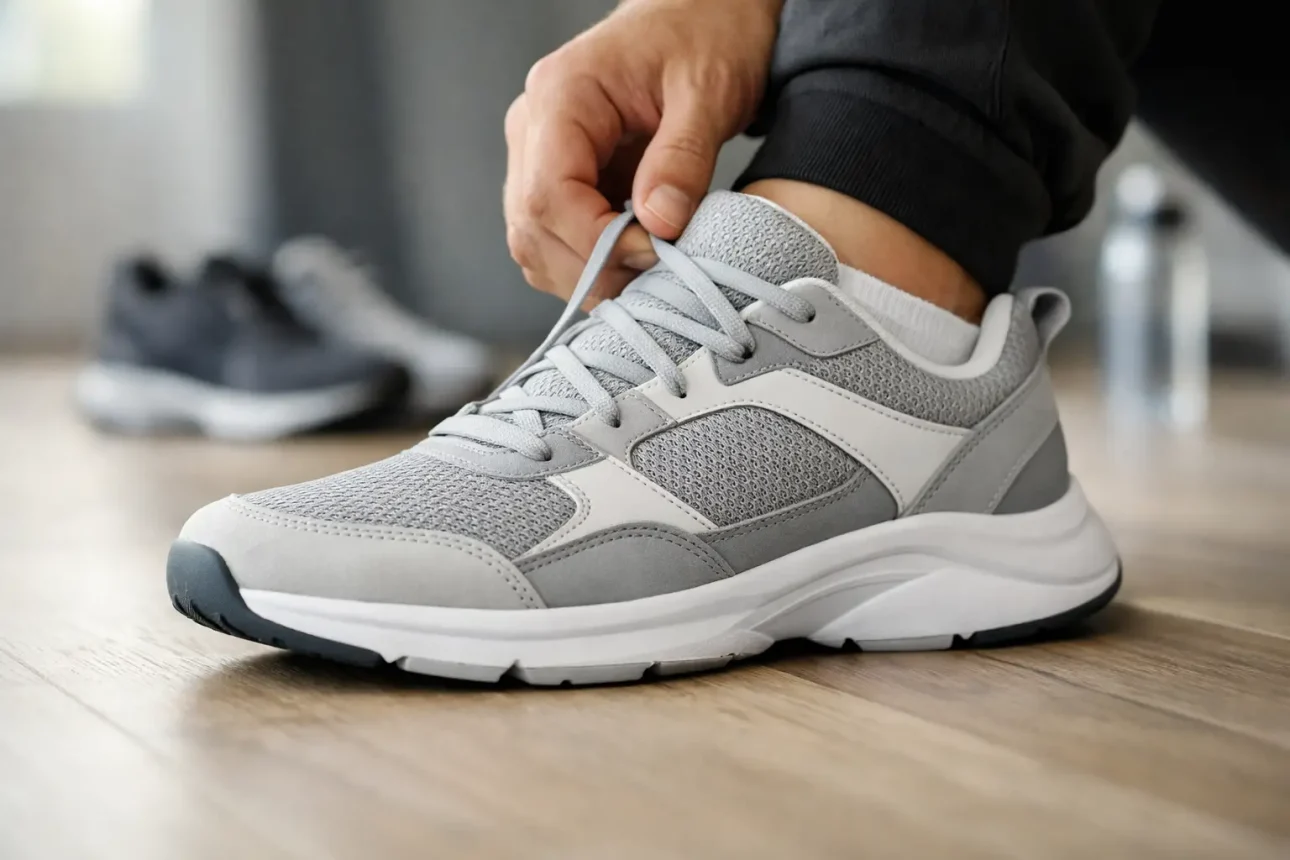
Your shoes shouldn’t feel fine at 8 a.m. and brutal by lunch. If you’ve got wide feet, you already know the drill – pinched toes, numb sides, heel slip, and sneakers that somehow feel too tight and too loose at the same time. This wide feet sneaker guide is here to cut through that mess and help you buy smarter.
A lot of people think they just need to size up. Usually, that’s the wrong move. Going longer when your foot is actually wider can leave you swimming in the heel while your forefoot still feels trapped. That’s how you end up with a sloppy fit and sore feet. Width matters. Shape matters more than most brands admit.
Let’s keep this simple. A good sneaker for wide feet is not just a regular shoe with extra room somewhere random. You need enough space in the forefoot, a shape that doesn’t crush your toes, and a midfoot that still holds you in place.
The toe box is where most shoes fail. Some sneakers taper hard at the front because they look sleek on the shelf. That clean shape can be a bad trade if your pinky toe is getting hammered every step. We’d skip a stylish narrow shoe before we’d spend a week hoping it breaks in. Most of the time, it won’t break in the way you need.
Upper material matters too. Soft mesh can forgive a little. Stiff overlays usually don’t. Leather can go either way – some pairs soften nicely, some stay stubborn. If you know your feet run wide across the ball of the foot, flexible uppers are usually the safer bet.
Then there’s the platform underfoot. A roomy upper on a narrow base is still a bad fit. If your foot spills over the sidewall, that shoe isn’t doing you any favors. It can feel unstable, especially if you’re walking all day or using the pair for light runs.
We see this all the time. Someone buys a half size up, maybe even a full size up, because the standard size felt tight. Now the length is off, the flex point hits in the wrong spot, and the heel starts lifting. That’s not comfort. That’s compromise.
What you want is the right length first, then the right width or the right last shape. Some brands are better about offering wide sizing. Others don’t label many models as wide, but their natural shape is more forgiving. That’s why brand alone won’t save you. One Nike can feel like a vice. Another can fit surprisingly well. Same goes for Adidas, Asics, Hoka, Brooks, and New Balance.
If you’re between sizes, don’t assume the bigger one is smarter. Sometimes the better move is the same length in a wider version, or just switching to a model built on a less narrow shape. It depends on where you feel pressure. Toes jammed at the front means length may be short. Pressure on the sides usually means width or shape is wrong.
Not every category fits wide feet the same way. Running shoes are often the safest place to start because a lot of them are built with comfort in mind first. Walking shoes can be even better if you need all-day support and don’t care about a super sleek profile. Fashion sneakers are trickier. Some look sharp and wear terribly.
If you’re on your feet all day, pick comfort over a low-profile silhouette. A chunkier running or walking shoe might not be the coolest thing you own, but if your feet still feel decent at 5 p.m., that matters more. For work, errands, and travel, we’d take a solid daily trainer over a flat fashion sneaker almost every time.
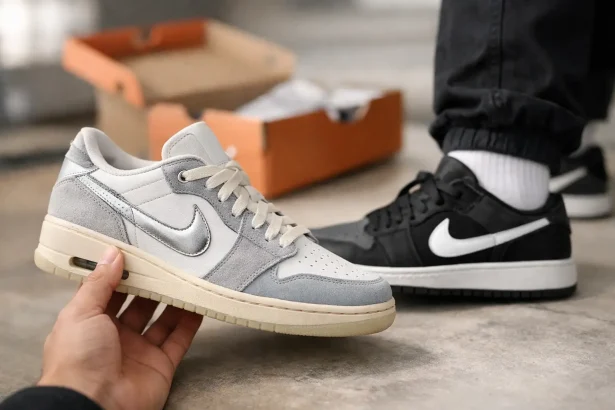
For casual wear, retro shoes can be hit or miss. Some classic models are narrow by design and stay that way. They look great in photos and punish you in real life. If the upper is stiff and the toe shape is pointed, skip them unless you already know that model works for your foot.
Basketball-inspired sneakers can go either way. Some have enough volume and padding to feel roomy. Others are heavy, rigid, and hot. If you want that look, make sure the forefoot has actual width, not just bulk.
New Balance is one of the easiest starting points for wide feet. That’s not exciting. It’s just true. The brand has a long track record with wide sizing, and a lot of its everyday and performance models don’t squeeze the forefoot for style points. Some pairs are plain. We’re fine with that if they fit right.
Brooks is another strong pick, especially if you walk a lot or want a dependable running shoe. The fit tends to feel practical, not flashy. Hoka can work well too, especially if you like a soft ride and a roomy feel underfoot, but not every model fits the same, so don’t buy blind just because you liked one pair.
Asics has some very solid options, especially in running. The better ones balance cushioning with structure and don’t feel sloppy. Adidas and Nike are more mixed for wide feet. They both make good shoes, but they also make plenty that run narrow. With those brands, model selection matters a lot more.
Puma has some clean lifestyle options, but if your feet are seriously wide, you need to be choosy. Some of their slimmer designs look great and fit like a dare. If comfort is the priority, don’t force it.
You shouldn’t need two weeks to know a shoe is a bad fit. There are obvious signs.
If your toes feel crowded while standing still, that won’t improve when you start walking. If the side of your foot bulges hard over the midsole, the platform is too narrow. If loosening the laces helps the forefoot but makes the heel sloppy, the shape is wrong for you.
Watch for hot spots early. Pressure around the pinky toe, rubbing near the ball of the foot, and tingling across the forefoot are all red flags. Don’t talk yourself into keeping a pair because the color is right or the price was good. Bad fit gets expensive when the shoes sit in a closet.
If you’re buying one pair for daily wear, we’d go straight for a cushioned running or walking shoe with a forgiving upper. That gives you the best shot at comfort, especially if your day involves commuting, standing, and a lot of steps.
If you want a gym shoe, don’t just grab the softest option. For lifting or side-to-side movement, too much squish can feel unstable. In that case, a wider base and secure midfoot matter more than plush foam.
If you want something cleaner for jeans or casual outfits, look for lifestyle models with rounder toe shapes and softer uppers. You may give up some support, but you don’t have to accept crushed toes just to get a better look.
For running, be honest about your mileage. Casual runners usually do better with comfort-first trainers than stripped-down speed shoes. A lot of faster-looking models fit narrow and feel harsh. That trade-off only makes sense if you really need it.
This part gets overlooked. Thick socks can turn a decent fit into a bad one. If a sneaker is borderline, test it with the socks you’ll actually wear most. Not the paper-thin pair from the try-on bench.
Lacing can help, but only to a point. You can relieve a little pressure across the top of the foot with different lacing patterns. You cannot turn a narrow shoe into a wide one. If special lacing is doing all the work, the shoe is wrong.
Start with your use case. Daily wear, walking, running, gym, style – pick the job first. Then narrow it down to brands and models that have a decent record for width. Check if the shoe comes in wide, but also pay attention to shape. A standard-width shoe with a naturally roomy forefoot can beat a so-called wide shoe with a weird fit.
When you try them on, do it later in the day if you can. Feet swell. Morning try-ons can lie to you. Stand up, walk around, and pay attention to the front half of the shoe. That’s where most wide-foot problems show up first.
And be ruthless. If a pair is tight out of the box and you’re already making excuses for it, put it back. There are too many solid options out there to settle for a shoe that starts bad.
That’s the real take. For wide feet, the best sneaker isn’t the one with the most buzz. It’s the one you forget about once it’s on.