Cart
No products in the cart.
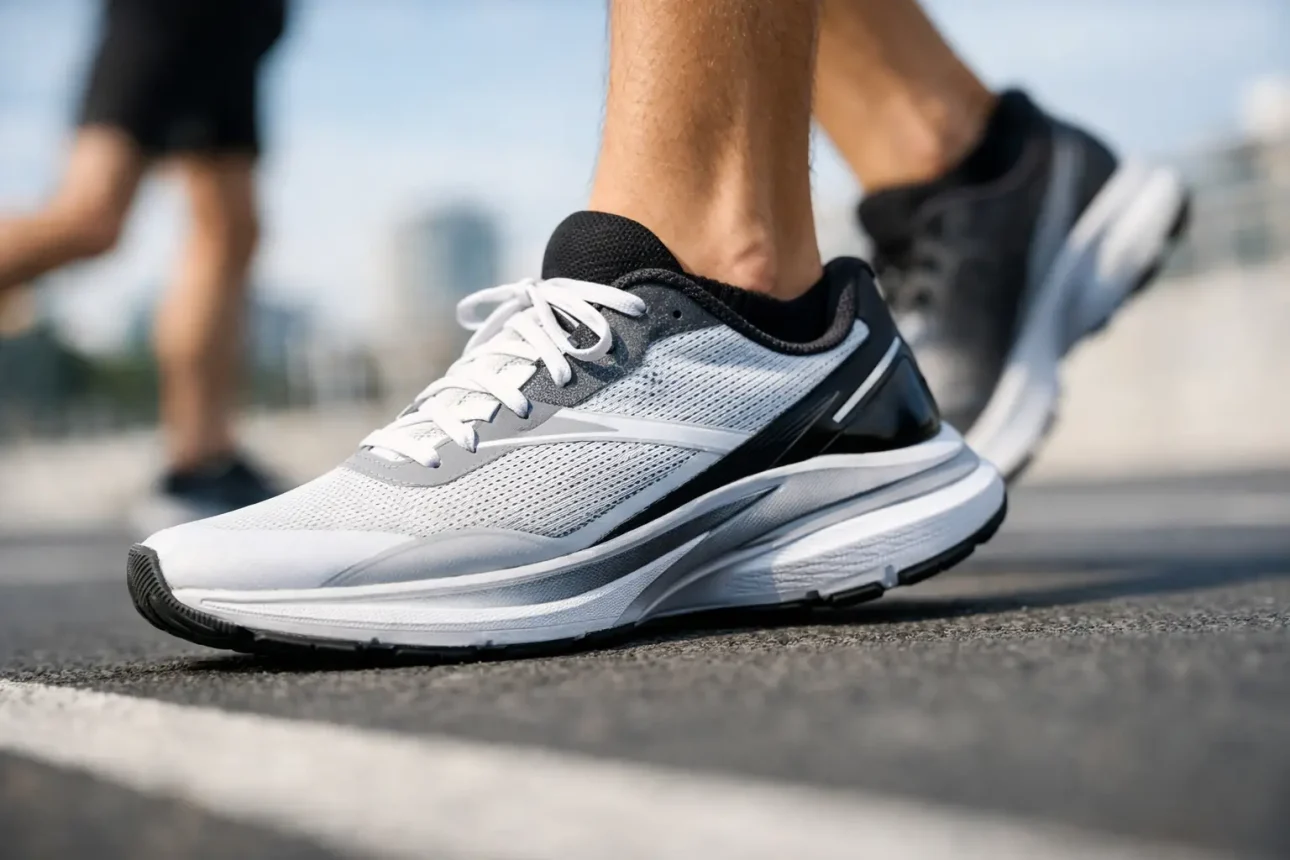
You can spot a bad running shoe fast. Your feet feel beat up by mile two, your calves get tight for no good reason, and the whole run turns into a chore. That usually happens when people grab any sneaker with a sporty look and assume it’s close enough. It isn’t. If you’re asking what is performance running shoes, the short answer is this: they’re built to run, not just look like they can.
A performance running shoe is made for forward motion, repeated impact, and actual training. It has the cushioning, shape, grip, and support to help you run more comfortably and more efficiently. That doesn’t mean every pair is fast, stiff, or made for racers. Some are soft and easygoing. Some are light and snappy. The point is they are designed for running first.
Let’s clean up the wording first. People search for “what is performance running shoes,” but what they usually mean is, “What are performance running shoes, and how are they different from regular sneakers?”
The difference is simple. Regular sneakers are often built for casual wear, gym sessions, or general use. Performance running shoes are tuned for one job. They handle impact from repetitive strides, help smooth out your transition from heel to toe, and keep your feet more stable when fatigue starts to kick in.
That’s why they often feel different right away. The midsole tends to be more responsive. The upper usually locks your foot in better. The outsole is placed where runners actually wear shoes down, not where it just looks nice on a product page.
Some look sharp enough for everyday wear too, and that’s a bonus. But if a shoe runs well, that’s the main event.
This is where a lot of people waste money. They buy lifestyle sneakers, throw them on for a few runs, then wonder why their legs feel cooked.
A performance running shoe usually gives you more underfoot cushioning in a lighter package. That’s not magic. It’s design. Running shoes need to absorb impact without turning into bricks. Brands use lighter foams, rocker shapes, breathable mesh uppers, and outsole patterns that actually help on pavement.
Lifestyle sneakers are built around looks first. That doesn’t make them bad. Some are comfortable for walking, standing, or daily wear. But comfort while grabbing coffee is not the same as comfort at mile four.
Training shoes are another thing people mix up with running shoes. A gym shoe is made for side-to-side movement, lifting, and short bursts. Running shoes are made to roll forward. Take a cross-training shoe on a run and it can feel flat, stiff, and awkward. Fine for squats. Not what we’d pick for road miles.
You do not need a lecture on foam chemistry. You need to know what changes how a shoe feels on the run.
Cushioning is the first thing most people notice. More cushioning usually means a softer ride and a bit more forgiveness on longer runs. That matters if you’re new to running, coming back after time off, or spending a lot of time on concrete.
But more isn’t always better. Super-soft shoes can feel great for easy miles and kind of sloppy when you want to pick up the pace. Firmer shoes can feel faster and more stable, but harsher if you’re sensitive to impact. It depends on how you run and what you want the shoe to do.
A lighter shoe usually feels quicker and less tiring over time. That’s why tempo shoes and race-day shoes strip things down. Still, going too light can mean less support or less durability. If you just want a daily shoe for steady runs, don’t obsess over a few ounces.
Some runners do fine in neutral shoes. Others need a bit more guidance, especially when form falls apart late in a run. A stability shoe doesn’t need to feel clunky anymore. The better ones give you support without screaming “orthopedic.”
If your ankles collapse inward a lot or you burn through the inside edge of your shoes, stability can be worth it. If not, don’t force it. Plenty of people buy support they don’t need and end up with a shoe that feels stiff and weird.
This part gets ignored way too often. A performance running shoe should hold your midfoot and heel without crushing your toes. Your foot should feel secure, not trapped.
If the heel slips, the upper rubs, or your toes are jammed together, skip the shoe. Doesn’t matter how popular it is. A bad fit ruins a good midsole fast.
Road running shoes don’t need trail-level grip, but they do need solid traction in the right spots. Wet sidewalks, painted crosswalks, and dirty pavement expose bad outsole design real quick.
Durability matters too. Some lightweight performance shoes feel amazing and burn out early. That’s fine if you’re buying a fast shoe for key workouts. It’s a bad deal if you want one pair to handle everything.
Not just marathon runners. That’s the biggest myth.
If you jog a few times a week, you’re a runner. If you run a mile, walk a bit, then run again, you’re still a runner. If you use a treadmill after work because your head needs a reset, same deal. Performance running shoes are for anyone who runs enough to feel the difference between “fine” and “this actually works.”
We’d say they’re especially worth it if you run on pavement, run more than once a week, or stay on your feet a lot outside of workouts. The right pair can make your legs feel fresher and your runs less annoying. That’s reason enough.
If you barely run and mostly want a shoe for everyday wear, you may not need a pure running model. A comfortable walking or all-day sneaker could make more sense. No need to overbuy.
This is where the answer changes. There isn’t one perfect category for everyone.
We pick comfort, stability, and easy fit over speed. A daily trainer with balanced cushioning is usually the move. Not too firm. Not too soft. Not too weird.
If you run a few times a week, a versatile daily trainer is still the safest bet. You want something that can handle easy miles, a faster day here and there, and general life without feeling precious.
Now weight and responsiveness matter more. A firmer, snappier shoe can help you turn over quicker. Some runners love plated shoes for workouts and races. Some think they’re overhyped unless you’re really chasing times. We’re somewhere in the middle. They can be great. They are not mandatory.
Protection matters. So does consistency. A cushioned shoe that stays comfortable deep into a run usually beats an ultra-light shoe that feels dead after an hour.
Let’s be honest. Some running shoes cost a lot. Not all of them earn it.
A performance running shoe is worth the money when you actually run enough to use what it offers. Better cushioning, lower weight, stronger lockdown, and smoother transitions are not just marketing lines when the shoe fits your stride and your routine.
It’s not worth paying top dollar for a race shoe if you run two easy miles once a week. That’s like buying track tires for a grocery car. Looks serious. Makes no sense.
On the other hand, if cheap sneakers leave your feet sore and your knees feeling rough after short runs, spending more on the right pair is usually money well spent. Not because expensive always wins, but because bad shoes get expensive too when you stop using them.
The first mistake is buying based on looks alone. We like a clean shoe too, but if it fits badly or rides awkwardly, who cares.
The second is assuming max cushion fixes everything. Sometimes it helps. Sometimes it just makes the shoe feel unstable. More foam is not a free pass.
The third is buying one shoe to do every job. A lot of daily trainers can cover most runs, which is great. But if you run often, don’t expect one super-light shoe to last forever or one soft cruiser to feel great on every fast session.
The last mistake is ignoring fit because a review said the shoe was amazing. Your feet don’t care what the internet said.
Start with how and where you run. Pavement or treadmill. Short runs or longer ones. Easy pace or trying to get faster. Then pay attention to three things: fit, ride, and purpose.
Fit comes first. Always. If it doesn’t feel right walking around, don’t talk yourself into it.
Ride is the feel underfoot. Soft, firm, bouncy, stable, smooth. None of those are automatically best. They’re just different.
Purpose keeps you from buying the wrong tool. If you want one reliable pair, get a daily trainer. If you want a fast shoe for race day, buy it for that reason and don’t make it your only pair.
That’s really the answer to what is performance running shoes. It’s a shoe built for running that makes the job feel better, easier, or faster, depending on the model. Not every runner needs the flashiest one. Most people just need a pair that fits right, feels good at mile three, and doesn’t quit early. Start there. You’ll be in better shape than most of the internet.