Cart
No products in the cart.
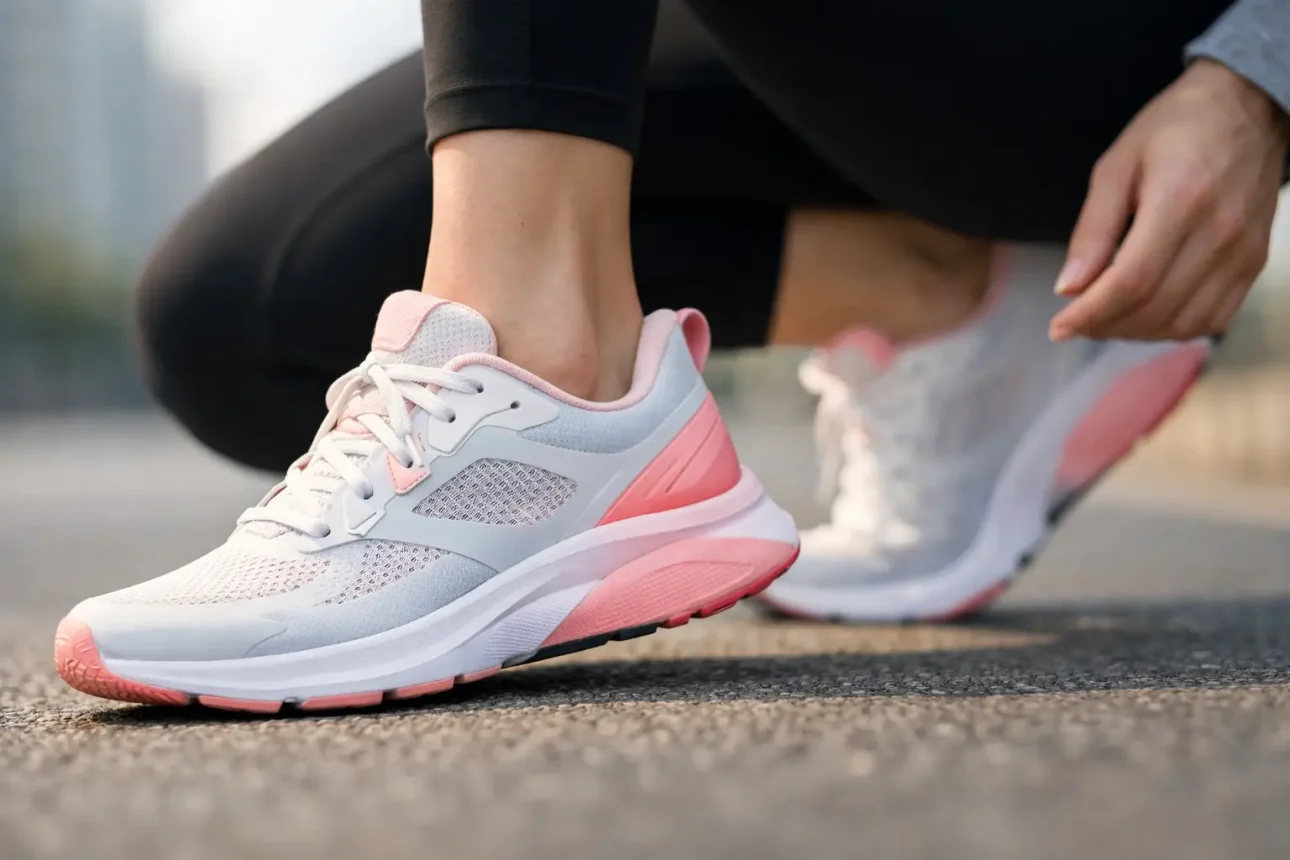
Most people don’t need a shoe built for a pro marathoner. They need one that feels good at mile two, still feels good when they’re standing around later, and doesn’t look like a mistake with the rest of their clothes. That’s where performance running shoes women actually buy get tricky. There are a lot of options, and plenty of them sound better on a product page than they do on your feet.
We keep it simple. A good running shoe should do three things. It should fit right without a break-in battle, give you the kind of cushioning you actually like, and hold up longer than a few optimistic jogs. Everything else is secondary.
Let’s cut through the noise. The first thing that matters is ride. Not the lab specs. Not the foam buzzwords. The ride. Some shoes feel soft and easy. Some feel firmer and quicker. Some feel unstable the second you turn a corner. You notice that fast.
If you’re a casual runner, a daily walker, or someone who wants one pair that can handle both, too much shoe can be just as bad as too little. Thick midsoles can feel great on a straight run, then feel awkward for errands or long hours on your feet. On the flip side, stripped-down shoes might feel light for ten minutes and harsh after that. We usually tell people to stop chasing extremes. Most feet do better in the middle.
Fit matters just as much. Women’s running shoes aren’t just smaller men’s shoes with a different color. The heel shape, midfoot hold, and forefoot room can feel very different from brand to brand. Brooks often feels secure and easy to trust. Hoka can feel roomy and tall. Nike can look sharp, but some models run narrow and won’t forgive you if your feet swell on longer runs. New Balance is often the safer pick if you need a little more room without going full brick mode.
Then there’s outsole grip and upper feel. These don’t get enough attention. A smooth, breathable upper is great until it stretches too much and your foot starts sliding. A grippy outsole is great until the whole shoe feels heavy. Trade-offs are normal. You just want the right trade-off for how you actually move.
They buy with their eyes first.
We get it. Some performance pairs look fast sitting in the box. But if the fit is wrong, the shoe is wrong. A sleek shape means nothing if your toes are cramped or your heel slips every few blocks. We’ve seen plenty of shoes that look amazing online and wear terribly by the third run.
The second mistake is buying a super soft shoe and expecting it to work for everything. Soft isn’t always better. If you’re running easy miles and want that pillow feel, fine. If you’re mixing in gym sessions, walks, commuting, or standing all day, that same soft ride can start to feel mushy and sloppy. A balanced shoe usually wins.
The third mistake is wearing dead shoes way too long. If your pair suddenly feels flat, your legs feel beat up faster, or the outsole is getting chewed up in one spot, don’t ignore it. Running shoes don’t need to be destroyed to be done.
Start with your real use, not your fantasy use. If you run twice a week and walk a lot, don’t buy a race-day shoe. If you stand all day and jog here and there, skip the ultra-stiff speed models. They can feel fun for twenty minutes and annoying after that.
Ask yourself three things. Do you want soft cushioning, balanced cushioning, or a firmer feel? Do you need a secure fit or more room up front? And are you using these for running only, or for everything? Once you answer that, your options get narrower in a good way.
If you want an easy daily shoe, look at models from Brooks, Asics, New Balance, and Hoka first. That’s usually where the safest buys live. They may not all be exciting, but a lot of them just work. If style matters as much as the run, Nike and Adidas can make more sense, but you need to be pickier. Some of their best-looking pairs are not the ones we’d choose for daily comfort.
For people who want one pair to do most things, we pick shoes with moderate cushioning, decent grip, and a stable base. Not too tall. Not too soft. Not too stripped down. That’s the sweet spot for most buyers, especially if you don’t want to think about your shoes every time you leave the house.
If you want fewer surprises, start here. Brooks and Asics make some of the easiest daily running shoes to recommend because they usually fit well, feel stable, and don’t try too hard. They’re not always the coolest looking. That’s the trade. But if your top priority is comfort that feels consistent, these brands earn their spot.
Brooks often nails that secure, centered feel. Asics tends to do really well with shock absorption that doesn’t turn sloppy. For casual runners and people on their feet a lot, both brands are usually safer than trendier options.
Hoka works when you want cushioning and don’t want to feel every crack in the sidewalk. A lot of women love that plush feel right away. We get why. On long walks or recovery runs, it can feel great.
But not every Hoka is for everyone. Some pairs sit high and can feel a little tippy if you’re not used to that stack height. If you want a planted, grounded feel, don’t assume Hoka is an automatic yes. Try the shape in your head before you buy into the hype.
Nike and Adidas still make plenty of solid performance shoes. They also make some pairs that look better than they wear. That’s the honest version.
If you care about style and want your running shoes to work with the rest of your closet, these brands make sense. Just be careful with fit. Nike can run narrow. Adidas can vary a lot from model to model. When they get it right, they feel fast, light, and clean. When they miss, you feel it pretty quickly.
New Balance has become one of our favorite brands for people who want comfort without the bulky old-school look. A lot of their performance shoes feel balanced and easy to wear beyond the run. That’s useful if you don’t want a pair that only makes sense in workout clothes.
Puma is more hit or miss, but some models are better than people expect. If you find one with the right fit, you can get solid performance without paying extra for a name that gets talked about more.
If you’re running longer distances, dealing with hard pavement every day, or just know you hate a firm ride, more cushioning can be absolutely worth it. It can take the edge off repetitive impact and make daily runs feel easier to stick with.
But if you’re using the shoe for short runs, gym work, travel, and everyday wear, too much cushioning can backfire. You lose some ground feel. You lose a bit of control. Sometimes the shoe starts feeling like it wears you instead of the other way around.
We’d rather see most people buy a versatile daily trainer than a giant marshmallow they end up leaving by the door.
Look at the heel. If it looks flimsy and collapses easily, that’s not a great sign for daily use. Check the toe box. If it narrows too aggressively, expect pressure up front. Look at the outsole rubber too. If there’s barely any coverage in high-wear zones, don’t expect miracles from durability.
Also, pay attention to how you lace your current shoes. If you’re always loosening the forefoot, you probably need more room. If you’re yanking the top eyelets tight, you probably need better heel hold. The shoe that’s right for you usually solves a problem you’ve already noticed.
And yes, looks still matter. You’re more likely to wear the pair you actually like. Just don’t let style make the whole decision. If a shoe looks sharp and feels wrong, skip it.
The best performance running shoes women end up loving are usually not the loudest ones. They’re the pairs that feel right on an ordinary Tuesday. The ones you grab without thinking. The ones that work for a run, a long walk, and the rest of the day without making your feet pay for it later.
That’s why we keep coming back to the same advice. Buy for your real life. Pick the fit first. Pick the ride second. Let the color and branding come after that. If a shoe can’t handle your actual routine, it doesn’t matter how good it looks on the shelf.
A solid pair should make your day easier, not more complicated. Start there. You’ll end up with something worth wearing.