
Cart
No products in the cart.
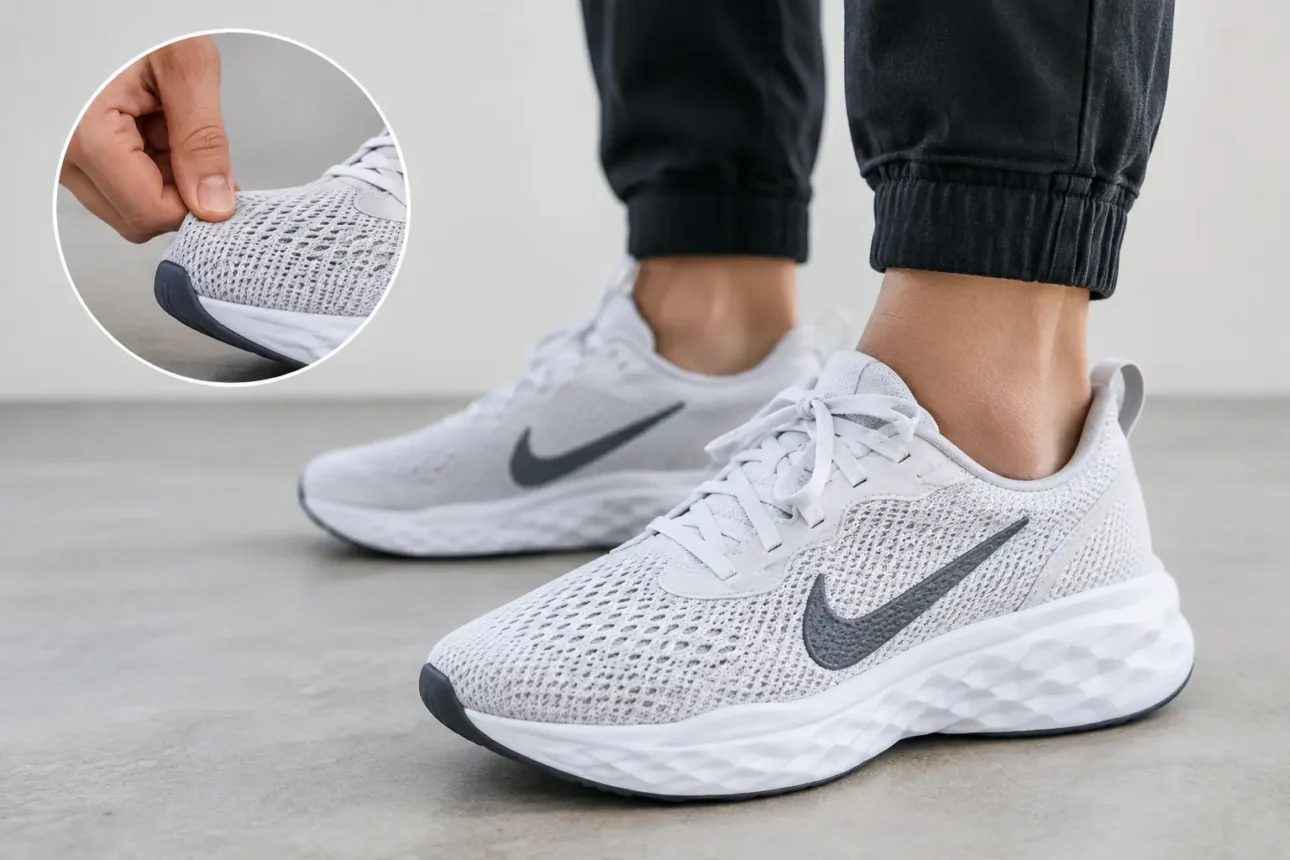
A sneaker that feels a little snug in the store can feel very different after a few wears. But do sneakers stretch over time enough to turn a painful pair into your favorite pair? Usually, no. They soften and give in certain spots. They do not magically become a full size bigger.
That difference matters. Plenty of people buy a tight pair because the color is right, the release is hard to find, or they assume every shoe needs a break-in period. Then they spend a month with cramped toes and a heel that never settles down. We would rather tell you straight: if a sneaker hurts from the start, skip it.
Most sneakers change with wear, but “stretch” is only part of the story. The upper may relax around the widest part of your foot. The lining gets less stiff. Foam underfoot compresses. The collar molds a bit around your ankle. All of that can make the shoe feel more natural.
Length is different. A sneaker almost never gains meaningful length. If your big toe is pressed into the front on day one, it will probably still be there after 50 miles, 50 errands, or 50 coffee runs. Your foot may adapt to the pressure for a while. That does not make the fit good.
Width can change slightly, especially with softer materials. The amount depends on the upper, how your foot moves in the shoe, and how often you wear it. A narrow, structured running shoe will hold its shape more than a soft suede lifestyle sneaker. Neither should be bought painfully tight.
The midsole is another thing people confuse with stretching. Cushioning foam compresses as you wear it. That can make a shoe feel lower, less springy, and roomier at the heel. It is wear, not a useful fit adjustment. If a shoe only becomes comfortable after the cushioning packs down, it is not aging well.
Materials decide whether a close fit becomes comfortable or stays annoying. Leather, suede, knit, mesh, and synthetic overlays all behave differently.
Real leather and suede have some give, especially across the forefoot. A leather lifestyle sneaker may ease around a bunion area or the ball of the foot after repeated wear. It will not stretch evenly, and it will not reliably add much room at the toe.
We like leather when you need a clean shoe that can handle daily wear. Just do not treat it like a leather jacket. Sneakers often use panels, reinforcements, and liners that limit how much the upper can move. A stiff leather toe box stays pretty stiff.
Knit and engineered mesh usually feel more flexible right out of the box. They can accommodate small changes in foot width and movement better than a rigid upper. That is why many running and walking shoes feel easier on a wide forefoot.
But soft mesh can also let your foot slide if the shoe is too big. And a stretchy knit upper cannot save a shoe with a short platform or a narrow toe box. Your foot needs room on the midsole, not just fabric bending over it.
Many performance sneakers use synthetic leather, welded overlays, or layered mesh to keep the foot stable. These materials may soften, but they rarely stretch much. That is intentional. A basketball shoe or speed-focused running shoe needs support when you cut, stop, and push off.
If a structured synthetic shoe pinches from the first try-on, do not count on a break-in miracle. Try a wider option, another model, or a half size up if the length allows it.
A good fit is secure, not restrictive. Your heel should stay planted when you walk. The middle of the shoe should hold your foot without squeezing it. Up front, your toes need room to spread and move.
Aim for about a thumb’s width between your longest toe and the front of the shoe. Your longest toe is not always your big toe, so check both feet. Try shoes on later in the day if you can. Feet often swell after walking, standing, commuting, or working a long shift. The fit that feels fine at 9 a.m. can feel brutal at 5 p.m.
Pay attention to pressure points, not just size labels. One brand’s 10 can fit like another brand’s 9.5. Even within the same brand, a retro court sneaker, a trail runner, and a max-cushion walking shoe can fit completely differently.
Here is our line: mild firmness is fine. Numbness, tingling, toe pressure, or a sharp rub is not. Do not buy pain with the plan to outlast it.
You can make minor adjustments, but home fixes have a ceiling. Thick socks and short indoor wear can help a leather or soft upper settle around your foot. A shoe stretcher may create a little extra width in some leather shoes. That is about it.
Skip heat guns, hair dryers, soaking, freezing bags of water, and other internet stunts. Heat can weaken glue, warp foam, and damage synthetic materials. Water can stain suede, affect adhesives, and leave the shoe feeling worse. You are more likely to ruin a good pair than rescue a bad fit.
If the shoe is only tight because the laces are cranked down, adjust the lacing before you blame the size. People with high insteps often need more space over the top of the foot, not a longer shoe. Skipping one set of eyelets or using a looser pattern can take pressure off without making the heel sloppy.
Still, lacing cannot fix a toe box that is too narrow or a shoe that is too short. It is a fine-tuning move, not a repair job.
This is where we take a hard stance. Do not buy running shoes that hurt and hope they stretch. Running adds repeated impact, heat, and foot swelling. A small fit problem becomes a big annoyance fast.
Modern running shoes, whether you lean toward Brooks, Hoka, ASICS, New Balance, Nike, or Adidas, should feel good on the first walk around the house. They may feel a touch firmer or more structured than they will after a few runs. But the basic fit should already be right.
For running, leave enough toe room for downhill sections and longer miles. Make sure your heel does not lift. Check that the widest point of your foot lines up with the widest part of the shoe. If it does not, changing size may not help. You may simply need a different model.
The same rule applies if you stand all day. A sneaker can look sharp on your commute and still punish you by lunch. Prioritize the fit you feel after several hours, not the mirror test in the first two minutes.
Size up by half when your toes hit the front, your foot hangs over the side of the midsole, or the shoe feels fine standing still but tight once you walk. A half size up can also make sense for longer runs, hot weather, or feet that swell through the day.
Do not size up just to solve width if the extra length causes heel slip. That creates a different problem. Look for a wide version when available, or pick a silhouette with a roomier forefoot. Some shoes are built narrow on purpose. If that is not your foot, do not force the match.
At Sneaker Loft, we pick shoes for how people actually wear them: walks, workdays, gym sessions, weekend fits, and everything in between. The right pair should feel secure at the heel, easy at the toes, and comfortable before it has earned its first scuff.
A sneaker can soften over time. It can mold a little. It cannot rewrite its shape. Buy the pair that feels right now, then let the wear tell the story.


