Cart
No products in the cart.
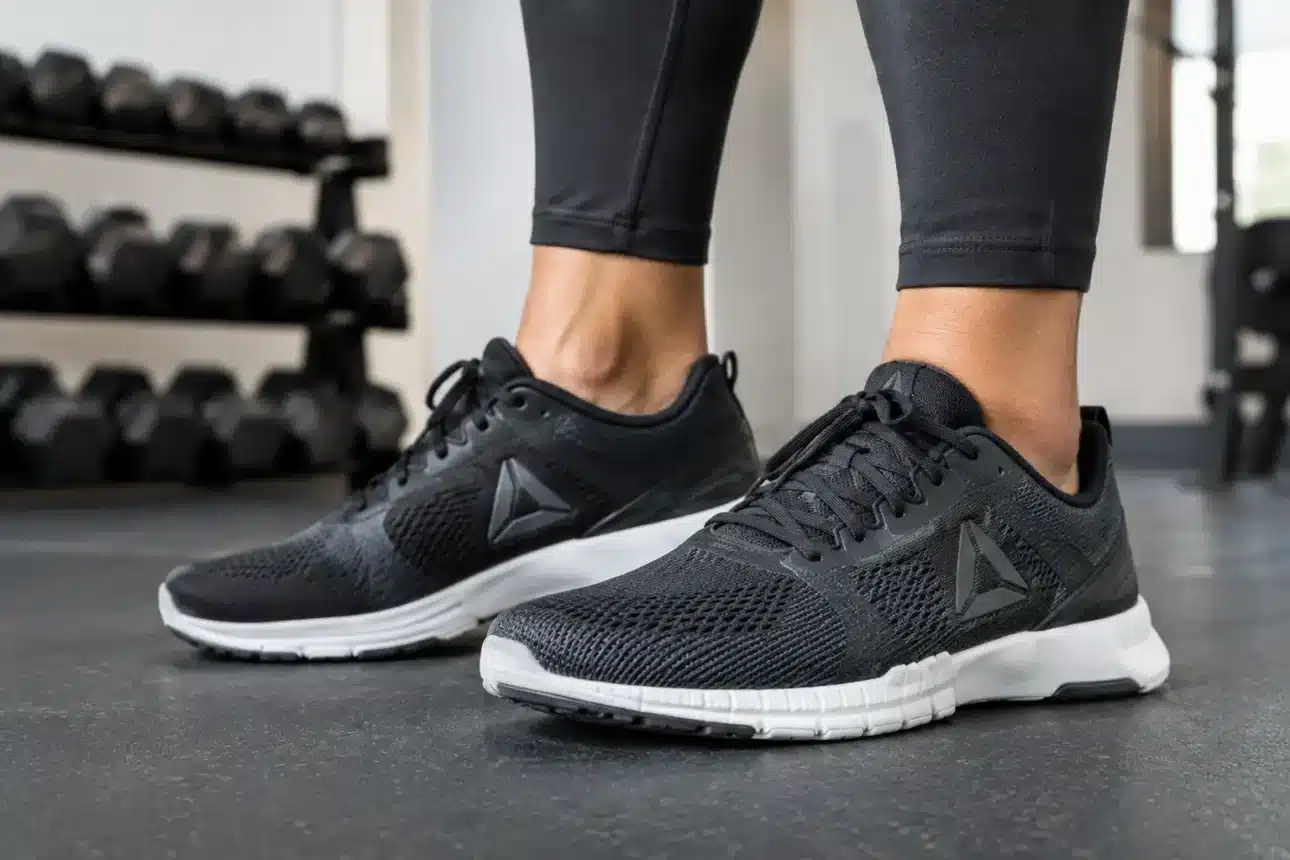
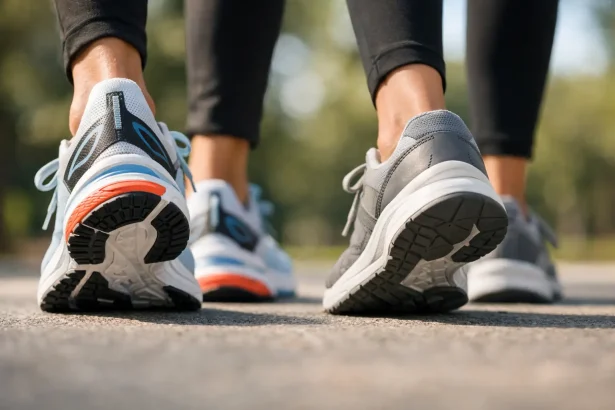
Cross training sneakers have a tough job. They need to feel stable when you squat, flexible enough for quick drills, and comfortable when the workout turns into a long walk home. That is a lot to ask from one pair of shoes.
Most bad picks fail because they lean too hard in one direction. A soft running shoe feels nice for a warm-up but gets wobbly under a barbell. A flat lifting shoe feels planted but can be brutal for burpees, short runs, or everyday wear. The right cross trainer sits in the middle. Not perfect at everything. Solid at the stuff you actually do.
Cross trainers are for mixed workouts. Think strength circuits, gym machines, HIIT classes, box jumps, sled pushes, short treadmill sessions, and general training. They are also a smart choice if you want one clean pair for the gym and your regular day.
The key word is mixed. If you run five miles three times a week, buy running shoes. If you lift heavy and rarely move faster than a walk, a dedicated lifting shoe may make more sense. Cross training sneakers are for people who do a bit of both and do not want their feet sliding around every time the workout changes.
We like them for the person who trains before work, takes the stairs all day, then does not want to change shoes before picking up groceries. That is real life. Your sneakers should be able to keep up with it.
Forget the wall of technical terms for a second. Start with how the shoe feels on the floor.
For training, too much cushion is usually a bad trade. Thick, squishy foam can feel amazing when you are walking, but it compresses when you lift. That makes your footing less predictable. You do not need a shoe that feels like a brick. You do need one that does not tilt when you put force into the ground.
Look for a fairly wide, flat platform through the heel and midfoot. A little cushion underfoot is welcome for jumps and short cardio. Just do not buy a running shoe disguised as a trainer. If the sole is very tall and rounded, skip it for weight training.
Heel slip gets annoying fast. It also makes lateral moves feel sloppy. When you try on a pair, walk quickly, do a few bodyweight squats, and move side to side. Your heel should feel held without getting squeezed.
A padded collar helps, but fit matters more than padding. Some shoes feel plush in the box and loose the second you start moving. We would take a secure heel over a pillow-soft collar every time.
Your toes do not need to swim around, but they should not be jammed together either. During lunges, jumps, and quick changes of direction, your forefoot spreads out. A cramped toe box turns that normal movement into rubbing, numbness, or a shoe you only wear for twenty minutes.
This is especially worth checking if you wear your gym shoes for long shifts or long commutes. What feels fine at 9 a.m. can feel painfully narrow by 5 p.m.
A cross trainer should grip gym flooring without feeling clumsy indoors. You want dependable rubber under the forefoot and heel, especially if you train on smooth floors or use a sled. Deep trail-style lugs are not needed unless you are actually taking the shoe outside on loose ground.
Pay attention to the sole shape too. A shoe that bends naturally at the front is better for planks, push-ups, and quick footwork. If it feels stiff from heel to toe, it may be built more for lifting than training.
The best choice depends on what you do most, not what you wish you did once in January.
If your sessions are mostly strength work with a little cardio, pick a firmer shoe with a low profile and a stable heel. It will feel more controlled for squats, deadlifts, and lunges. Your short warm-up runs will be fine. A long run will not.
If you take HIIT, bootcamp, or functional fitness classes, look for balanced cushioning and strong side support. You are moving forward, backward, and sideways. That is where flimsy knit uppers and narrow bases get exposed.
If your workouts are mostly treadmill intervals, cycling, and light weights, you can go a little softer. Just keep the base stable enough for dumbbells and machines. A moderate amount of cushioning makes sense here because impact is a bigger part of the session.
For all-day wear, choose comfort first but do not fall for the softest option in the store. A shoe that feels soft for five minutes may feel flat after hours on your feet. Good daily trainers have enough underfoot comfort without making you feel disconnected from the ground.
Running shoes are made to move you forward. They often have thicker foam, curved soles, and a shape that helps repeated heel-to-toe motion. That is exactly why they feel good for runs and exactly why they can feel unstable during lateral training or heavy lifts.
Cross trainers sit lower and wider. They are less bouncy, but more planted. For gym work, we pick planted.
That does not mean you need separate shoes for every activity. If you run a mile to warm up and then lift, a cross trainer is the sensible call. If you run several miles before lifting, bring running shoes and change. Trying to force one shoe through two different jobs is how people end up with a pair they do not really like for either.
The first mistake is buying based on looks alone. A clean silhouette matters. We like a sharp sneaker as much as anyone. But if the upper folds into your toes or the heel slides, that colorway will spend a lot of time in the closet.
The second is sizing too small. Training shoes should feel secure, not restrictive. Leave about a thumb’s width between your longest toe and the end of the shoe. Try them on later in the day if you can. Feet swell. Pretending they do not is an easy way to buy the wrong size.
The third mistake is expecting one pair to last forever. How long a shoe lasts depends on your weight, training surface, workout style, and how often you wear it. Watch the outsole first. Once rubber is worn smooth in key spots or the midsole feels packed down, it is time to move on. Do not wait until the upper is torn apart.
Finally, do not make cross trainers your only pair if you run regularly. They can handle short bursts. They are not built for your weekly long run. That is not a flaw. It is just the job they were designed to do.
When your new pair arrives, do not judge it while sitting on the couch. Put on the socks you train in. Lace the shoes fully, stand up, and move.
Do a few squats. Step sideways. Walk briskly across a hard floor. Your heel should stay locked in, your toes should have space, and the arch area should feel supported without pressure digging into it. If a shoe is uncomfortable immediately, do not expect it to magically break in after a month. Some materials soften a little. Bad fit stays bad fit.
If you are stuck between sizes, the better answer depends on where the issue is. Go up if your toes hit the front or the forefoot feels cramped. Stay down if the length is good but the heel moves around. You may be able to fix minor heel movement with different lacing. You cannot fix a shoe that is too short.
At Sneaker Loft, we think the best cross trainer is the one you stop thinking about halfway through your workout. It stays stable when you lift, moves when you move, and still looks good when the gym session is over. That is enough. Buy for the training you actually do, and your feet will tell you if you got it right.