Cart
No products in the cart.
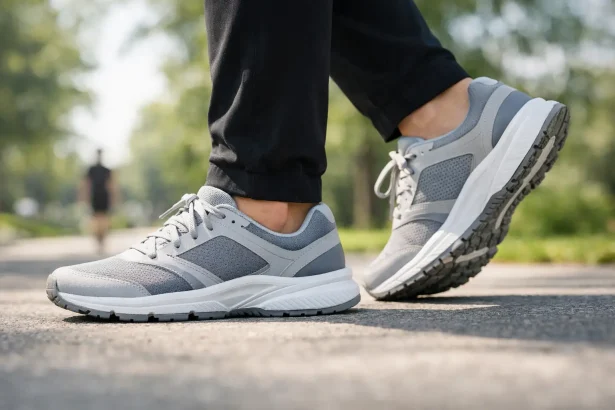
Your feet do not care what the shoe box says. They care about how the shoe feels when you hit mile three, walk the dog, or stand through a long shift. That is why neutral running shoes are worth getting right. A good pair should feel natural from the first few steps – not stiff, not wobbly, and not like you need a degree in biomechanics to wear them.
Neutral shoes are often the easiest place to start. They work for plenty of runners, walkers, gym-goers, and people who just want sneakers that do not leave their feet tired by dinner. But “neutral” is not a magic word. Some are soft and bouncy. Some are firm and fast. Some look clean enough for jeans but feel too tall for anything but running.
We cut through that noise below.
A neutral running shoe does not have built-in support designed to push your foot in a certain direction. It usually has a more even platform through the midsole, with cushioning that compresses under your foot as you land and move forward.
That does not mean it is flimsy. It means the shoe lets your foot do more of its natural thing instead of adding a firm support piece on the inner side. For many people, that feels smooth and easy. For others, especially people who consistently feel their ankles rolling inward or need prescribed support, a stability shoe may make more sense.
Do not buy a stability shoe just because someone said everyone needs support. That is old advice, and it sends plenty of people into shoes that feel wrong. Start with comfort. If you have ongoing pain, repeated injuries, or use orthotics, talk to a medical professional or a knowledgeable running specialist before guessing.
Most casual runners can start here. So can walkers, commuters, and anyone who wants a cushioned sneaker without a hard corrective feel under the arch.
We especially like neutral shoes for people who want one pair that can handle a few easy runs, weekend errands, travel days, and long walks. The right model can do all of that. Just do not expect a lightweight race shoe to survive daily warehouse shifts, or a plush max-cushion shoe to feel sharp during speed work. Every shoe has a job.
Neutral shoes are a solid pick if you want a natural ride, have no specific need for extra stability, or simply find supportive shoes too rigid. They can also work well with custom insoles, as long as the shoe has enough room and the heel stays locked in.
The catch? “Neutral” covers a huge range. A low, firm neutral shoe and a thick, soft neutral shoe might both wear the same label, yet feel completely different on your feet.
Start with how you will actually use them. Not the version of you who runs every morning at 6 a.m. The real version. The one who might run twice a week, walk a lot, and wear the same shoes to grab coffee afterward.
Pick moderate cushioning with a stable base. You want enough foam to take the edge off pavement without feeling like you are balancing on a mattress. This is the safest choice if you are buying your first proper running shoe or want one pair for most days.
Look for a secure heel, a roomy enough toe box, and a sole that does not feel clunky when you walk. If the shoe feels good only when you are standing still, skip it. Walk around. Bend your foot. Take a few quick steps.
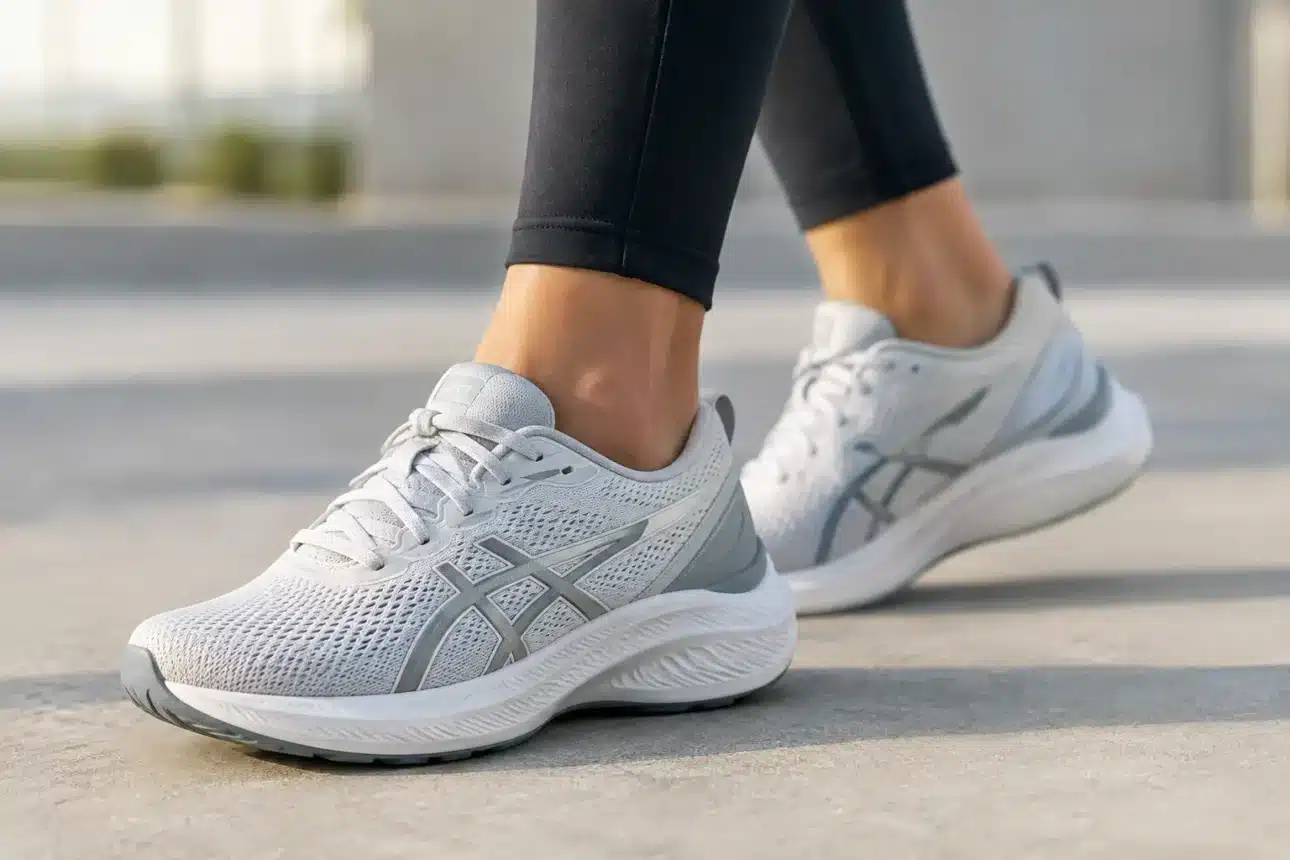
More cushioning can be worth it. If your runs are mostly pavement, or your job keeps you moving all day, a softer midsole can make those hours feel less punishing. Brands such as Hoka, Brooks, New Balance, ASICS, Nike, and Adidas all make neutral models with different takes on soft cushioning.
But more foam is not automatically better. Tall shoes can feel awkward on uneven sidewalks, trails, or sharp turns. They can also run warm and feel bulky if you prefer a lighter, closer-to-the-ground ride. If you like feeling connected to the road, do not force yourself into the tallest shoe on the shelf.
Pick something lighter and less squishy. A responsive neutral shoe feels quicker when you pick up the pace and more stable during bodyweight work or light lifting. Super-soft daily trainers are comfortable, but they are not our first choice for lateral gym moves. Your foot should not sink sideways every time you change direction.
If you split time between running and training, a firmer neutral sneaker is usually the better compromise. It may not feel as plush on a ten-mile run, but it will be more useful everywhere else.
We get it. You had one good pair from a certain brand five years ago. That does not mean every shoe from that brand will fit you now. Sizing changes between models. Toe boxes change. Even two shoes in the same size can feel miles apart.
Your toes need a little space in front. Not a lot, but enough that your longest toe is not pressing the end of the shoe when you walk downhill or land on a run. Your heel should feel held in place without rubbing. The middle of the shoe should feel secure, not squeezed.
A snug upper is good. Numb toes are not.
Try shoes later in the day if you can, when your feet are a little more swollen from normal activity. Wear the socks you run or work in. Thick athletic socks can turn a close fit into a bad fit fast. If one foot is slightly larger, fit that foot. Almost everyone has one.
And do not assume you need to “break them in.” Modern neutral running shoes should feel comfortable right away. They may soften after a few wears, but a painful arch, pinched toe box, or heel that slips is not going to magically sort itself out.
This is where people get stuck, mostly because every brand uses different foam names. Forget the names. Think about the feel.
Soft cushioning is great when your legs feel beat up, you run easy, or you spend a lot of time walking on concrete. It gives you a gentler landing and often feels good right out of the box. The downside is that very soft shoes can feel slow, unstable, or sloppy if you like quick turns and faster pacing.
Firm cushioning gives you a more direct feel. It tends to feel stable and predictable, which we like for gym use, shorter runs, and people who hate the sinking sensation of plush foam. The downside is obvious: on long pavement miles, firm shoes can feel harsh.
The middle ground is where most people should shop. A balanced neutral shoe handles regular runs, daily walking, and travel without becoming too specialized. It is not flashy. That is exactly why it works.
A clean neutral daily trainer can cover a lot. Still, if you run often, owning two pairs is smarter than grinding one shoe into the ground. Rotate them. One cushioned pair for easy days and long walks. One lighter pair for quicker runs or the gym.
This is not about collecting shoes for the sake of it. It is about not wearing a soft, worn-out running shoe while your knees and feet are asking for a break. Foam loses its pop over time, even if the upper still looks fresh.
Watch for uneven wear on the outsole, new soreness after normal runs, or a midsole that feels flat compared with when it was new. Those are better signs than a random mileage number. Some people burn through shoes quickly. Others get plenty of life from them. Your body gets the final vote.
Running shoes do not need to look like medical equipment. If you are wearing them to work, class, or around town, pick a color you will actually reach for. Black, gray, white, and muted colors are easy to wear. Brighter pairs are fun, but they can end up sitting in the closet if they clash with everything you own.
That said, do not buy a shoe only because it looks sharp in photos. Some sleek lifestyle-friendly runners have thin cushioning, narrow fits, or uppers that trap heat. Looks matter. How your feet feel at 5 p.m. matters more.
At Sneaker Loft, we pick shoes that make sense beyond the product page. If you need a neutral running shoe for real miles, start with fit, choose cushioning based on your routine, and ignore the foam-name hype. The right pair will not change your life. It will just make moving through it feel a whole lot better.