Cart
No products in the cart.
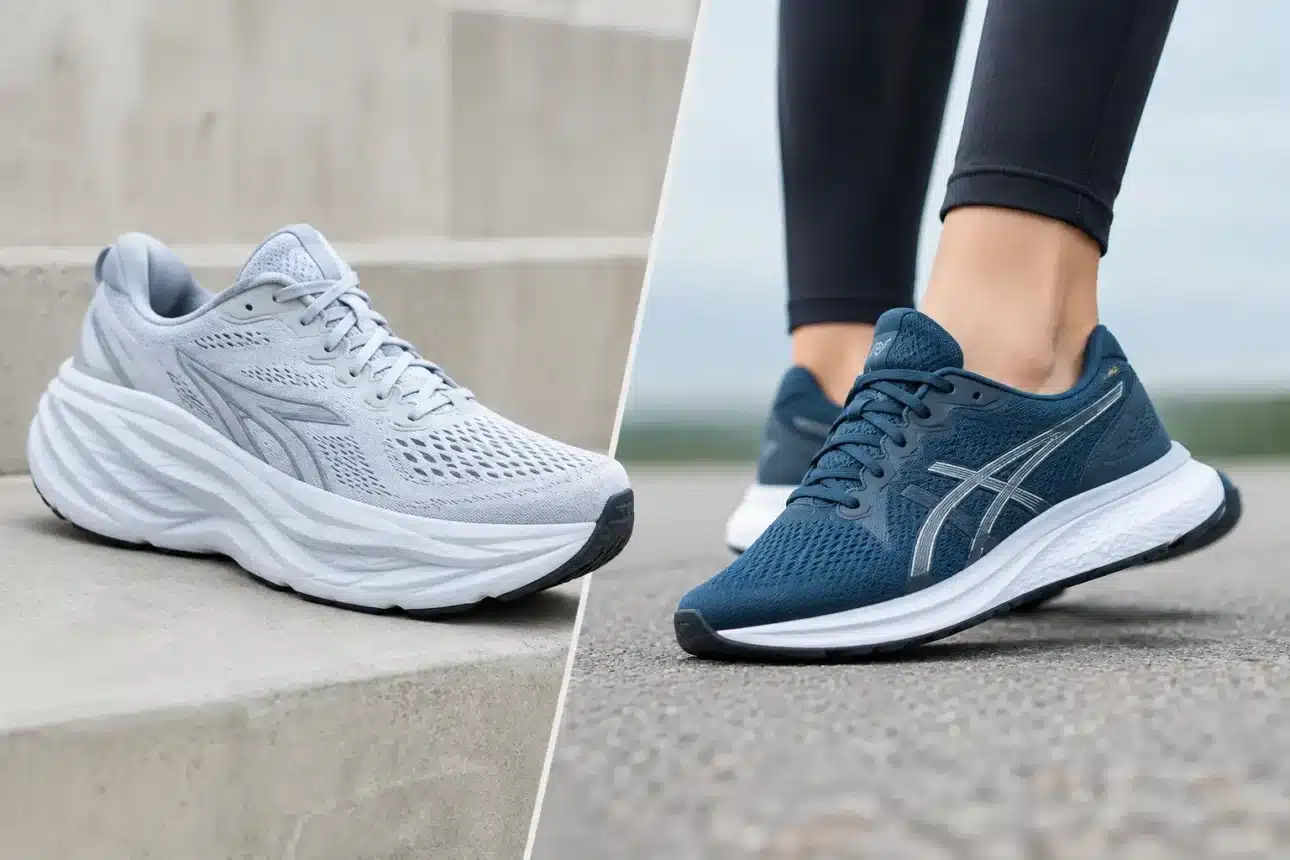
Your feet can tell the difference by lunchtime. A max-cushion shoe feels soft, tall, and forgiving. A daily trainer feels more connected to the ground and usually handles more than one kind of run. The real max cushion vs daily trainers choice is not about picking the “best” shoe. It is about picking the shoe you will actually want to wear.
If you buy one pair expecting it to crush long runs, speed workouts, errands, standing shifts, and casual outfits, you may end up with a shoe that does none of those things well. That is where most bad shoe purchases start.
Max-cushion shoes put a thick stack of foam under your foot. Think of models built for easy miles, recovery days, walking, and long stretches on your feet. They often feel plush right out of the box. That is the point. Less road feel, more protection, and a smoother landing when your legs are tired.
Daily trainers sit in the middle. They still have cushioning, but they are usually lighter, lower to the ground, and more stable when you pick up the pace. They are made for regular running, but many work just as well for walks, commuting, and everyday wear.
Neither category wins across the board. Max cushion is better when comfort is the main job. Daily trainers are better when you need one shoe to do a lot without feeling huge on your foot.
Here is the honest version: max-cushion shoes can feel amazing for an easy run, then feel clumsy when you try to run fast. Daily trainers can feel quick and capable, then feel a little thin after eight hours on a hard floor. Pick based on your real week, not the version of you who runs every morning before sunrise.
We pick max cushion for runners who want easy miles to stay easy. If your weekly run includes a slow long run, a recovery jog after a hard workout, or a casual walk where comfort matters more than pace, this is the lane.
The extra foam takes some sting out of pavement. That does not mean the shoe makes you invincible. It means your feet and legs may feel less beat up after a long day. For people who stand at work, travel often, or walk a lot on concrete, that softer ride can be worth it.
Max cushion also makes sense if you are new to running and want a forgiving feel. You do not need to earn a soft shoe. If a taller, cushier model gets you out the door more often, it is doing its job.
But there is a catch. More foam can mean less stability. Some max-cushion shoes have wide bases and firm sidewalls that keep them steady. Others feel like you are standing on a mattress. If your ankles roll easily, you hate a wobbly feel, or you take sharp corners on city routes, skip the tallest and softest options.
They are also not always the best-looking casual sneakers. Some have big midsoles and loud shapes. We like a bold running shoe when it earns the look, but not every giant foam stack belongs with jeans. If style matters as much as comfort, try the shoe on with the clothes you actually wear.
Easy runs, recovery days, long walks, standing shifts, travel days, and runners building mileage slowly. It is also a strong second pair if your main running shoe feels firm after a long week.
A daily trainer is the shoe most people should buy first. It is the dependable pair you can use for a three-mile jog on Tuesday, a longer run on Saturday, and a walk to get coffee on Sunday. No drama. No need to save it for a special workout.
This category is broad, but the best daily trainers share a few traits. They feel stable underfoot, have enough foam for regular mileage, and do not punish you for running at different paces. They are not trying to be the softest shoe in the store or the fastest shoe in a race. That is why they work.
For casual runners, daily trainers often make more sense than max-cushion models. Most people do not need a towering foam platform for every run. A balanced shoe gives you enough protection without making your stride feel slow or disconnected.
They also tend to fit into everyday life better. A clean pair from brands like New Balance, Asics, Nike, Adidas, Brooks, or Hoka can handle a run and still look right with joggers or casual clothes. That matters if you do not want a closet full of shoes.
The downside is simple: a daily trainer may not feel exciting when you first put it on. It might not have that sink-in softness of a max-cushion shoe. Give it a few minutes. A shoe that feels sensible in the store can feel much better at mile five than one that felt plush for thirty seconds.
Regular runners, new runners buying their first serious pair, people who mix running and walking, and anyone who wants a sneaker that can leave the gym without looking out of place.
Do not get stuck on the label. Two shoes called “max cushion” can feel completely different. One may be soft and bouncy. Another may be firm, wide, and stable. The same goes for daily trainers. Some lean lightweight and quick. Others are built like tanks for high mileage.
Fit comes first. Your toes need room to spread without sliding around. Your heel should feel held, not squeezed. If the arch presses into your foot in an annoying way while you are standing still, do not talk yourself into it. That feeling rarely improves when you start moving.
Then think about where you run. Smooth sidewalks and treadmills are friendly to most shoes. Uneven paths, tight corners, and wet streets ask more from stability and grip. A tall, soft shoe can be fine on a straight route but feel sketchy on broken pavement.
Your body weight and stride also matter, but not in the way shoe marketing makes it sound. You do not need a formula or a lab test to buy shoes. You need a pair that feels controlled, comfortable, and natural after ten minutes of walking or jogging. Trust that more than a flashy foam name.
Not at first. If you are buying one pair, buy a daily trainer. It is the safer pick for most people because it handles more situations without being too specialized.
Add a max-cushion shoe when you know what you need it for. Maybe your long runs leave your legs cooked. Maybe you work on your feet and want something softer for non-running days. Maybe you already have a daily trainer you like, but you want a gentler option for recovery runs. That is when a second pair makes sense.
If you run several times a week, rotating two pairs can also help each shoe dry out between runs and gives your feet a slightly different feel. But do not buy two pairs because someone online said every runner needs a rotation. One good pair beats two pairs you barely wear.
Ask yourself one question: when do you most need this shoe to feel good?
If the answer is after a long shift, on slow weekend miles, or during a recovery walk, go max cushion. If the answer is every morning, every errand, and most of your runs, get a daily trainer.
At Sneaker Loft, we would not sell you a giant cushioned shoe for every job. Soft feels good, but too much shoe can be a bad fit. Buy the pair that matches your actual routine, lace it up, and stop overthinking it.