Cart
No products in the cart.
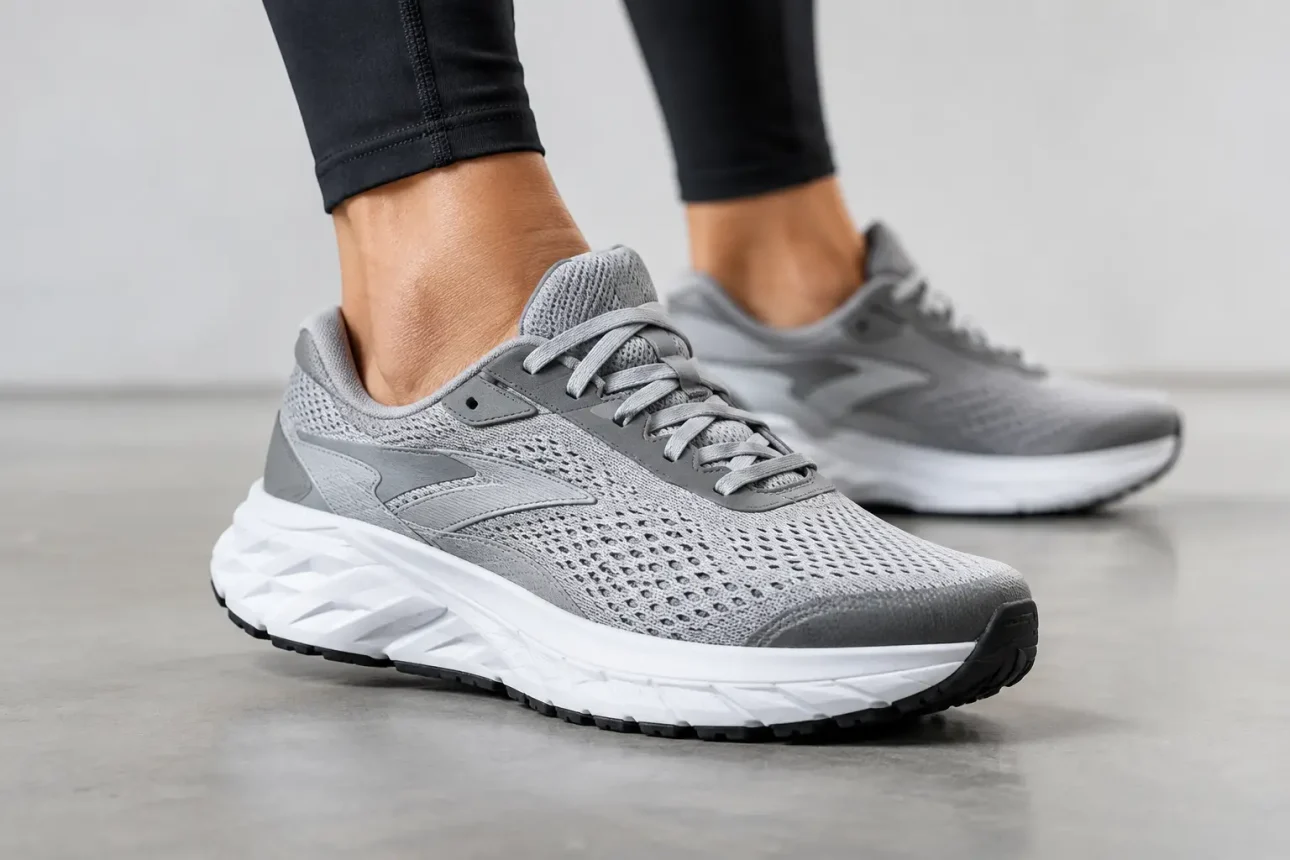
A sneaker can look clean on day one and feel cooked by month three. That is why shoe durability matters more than a fancy logo or a loud colorway. You want a pair that still feels good after commutes, gym sessions, long shifts, bad weather, and whatever else your week throws at it.
The truth is, no sneaker lasts forever. Foam compresses. Rubber wears down. Uppers crease and scuff. But some shoes hold up far better than others, and a smart pick can save you from replacing pairs way too soon.
When people say a shoe is durable, they usually mean it does not fall apart fast. Fair enough. But durability is more than a sole staying attached to the upper.
A durable sneaker keeps doing its job. The outsole still grips. The midsole still has enough cushioning to feel comfortable. The heel does not collapse into a loose, sloppy mess. The upper does not split where your foot bends. It can take wear without making every step feel worse.
Different shoes fail in different ways. A fashion sneaker with a tough leather upper may still have a flat, tired insole after heavy daily wear. A lightweight running shoe may feel great for miles but wear through faster because low weight was the priority. Neither is automatically bad. You just need to buy the right kind of tough for how you actually wear your shoes.
If you walk to work, stand all day, and wear the same pair on weekends, do not make a lightweight race-day runner your only pair. It was not built for that job.
The outsole is the rubber on the bottom. It handles pavement, sidewalks, gym floors, gravel, and every ugly patch of parking lot you cross. If the rubber is thin or has shallow tread, it will show wear faster.
Look at where you wear down your current shoes. Many people grind through the outer heel first. Others wear down the forefoot under the big toe. That pattern tells you a lot. If you burn through one area quickly, choose a shoe with more rubber coverage there rather than chasing the lightest option on the shelf.
Blown rubber is not always a dealbreaker. Running shoes often use exposed foam under the midfoot to cut weight. It feels smooth and keeps the shoe lighter. But exposed foam will not handle daily pavement abuse like thick rubber. That is the trade-off.
The midsole is the foam between your foot and the ground. It is where most of the cushioning lives, and it is usually what makes an old shoe feel dead before it looks dead.
You cannot always spot compressed foam right away. The shoe may still look fine from above. Then you wear it for an hour and your feet feel more tired than usual. That is often the midsole telling you it has had enough.
Soft foam feels great in the store. We get it. But super-soft foam can flatten faster when it is used hard every day, especially under heavier wear. Firmer foam is not as exciting for the first five minutes, but it often stays more consistent over time. For work, walking, and daily miles, we pick consistency over a pillow-soft first impression.
The toe box bends every time you walk. That is why mesh can tear near the little toe and why synthetic overlays sometimes crack across the forefoot. A leather or suede upper can handle scuffs better, but it can crease, stretch, and show dirt faster in wet conditions.
Mesh is great when you want airflow. It is also easier to snag and split than a thicker upper. If your sneakers deal with warehouse floors, public transit, dogs, kids, or rough weather, a delicate knit is probably not the move.
Look for reinforcement around the toe, eyelets, and sides of the forefoot. You do not need a shoe covered in stiff plastic. You need protection in the spots that take abuse.
The inside heel collar is one of the first hidden areas to fail. Friction from your heel can rub through the fabric, especially if the shoe is too loose or you slide into it without untying the laces.
Once the lining wears through, the shoe can start rubbing your heel. That small hole becomes a real annoyance fast. A secure fit and taking ten seconds to loosen the laces can add serious life to a pair.
A shoe that does not fit right wears out wrong.
If your toes are jammed against the front, the upper stretches and splits sooner. If the shoe is too wide, your foot slides side to side and grinds down the inner lining. If the heel slips, you get friction, worn fabric, and a shoe that starts feeling loose before its time.
Do not buy a sneaker hoping it will break in by a full size. Some materials relax a little. Most modern athletic shoes do not magically become a better fit after weeks of pain.
Your toes need room to move, but your heel should feel held in place. The midfoot should feel secure without numbness or pressure. That fit protects both your feet and the shoe.
This is where people waste money. They buy one pair for everything, then wonder why it looks rough and feels flat after a season.
A running shoe is for running and walking. It can handle errands, sure, but daily standing, travel, gym work, and street wear will add up. A basketball shoe can take hard lateral movement and court use, but it may feel heavy for all-day walking. A casual leather sneaker can look sharp for months, but it will not give you the same cushioning as a well-built walking shoe.
There is no single toughest sneaker because the job changes the answer. For long shifts on your feet, pick stable cushioning, a secure heel, and a rubber outsole with real coverage. For casual wear, pick an upper that can take scuffs and clean up easily. For running, focus on how the shoe feels during your actual miles, then retire it from running when the cushioning is done.
If you can swing it, own two pairs you wear often. Switching between them gives the foam time to rebound and stops one shoe from taking every single hit. It also means you have a backup when one pair gets soaked.
You do not need a complicated care routine. You just need to stop doing the few things that wreck shoes early.
First, untie them. Crushing the heel counter while forcing your foot in is an easy way to ruin the back of a sneaker. Second, let wet shoes dry at room temperature. High heat can warp foam, weaken glue, and make uppers stiff. Stuff them with paper if they are soaked, then give them time.
Third, clean dirt off before it works its way into fabric and seams. A soft brush, mild soap, and a damp cloth handle most messes. Do not throw sneakers in the washing machine unless the brand clearly says you can. The spin cycle is rough on glue, foam, and shape.
Finally, do not use your clean daily sneakers for yard work, rainy hikes, or moving furniture. We are not saying baby your shoes. Wear them. Just give the dirty jobs to the pair that already has a few scars.
A scuff is not a reason to toss a good shoe. Worn-out traction, split uppers, unstable cushioning, and a heel that no longer holds you are different.
Check the outsole. If the tread is smooth in key spots or the foam is exposed and getting chewed up, grip can suffer. Check the midsole. Deep creases, uneven leaning, and a noticeably harsher ride are signs the foam has lost its job. Check inside the heel and toe box for holes that are causing rubbing.
For runners, mileage matters, but your body gets the final vote. If the same route suddenly leaves your feet or legs more beat up and the shoe feels flat, it may be done for running even if it still looks decent. Move it to casual wear or let it go.
The best durable sneaker is not the heaviest one or the most expensive one. It is the pair that fits your life, fits your feet, and has enough material in the places you wear hardest. Buy for your real day, not the version of you who only walks on clean floors. That pair will earn its spot.