Cart
No products in the cart.
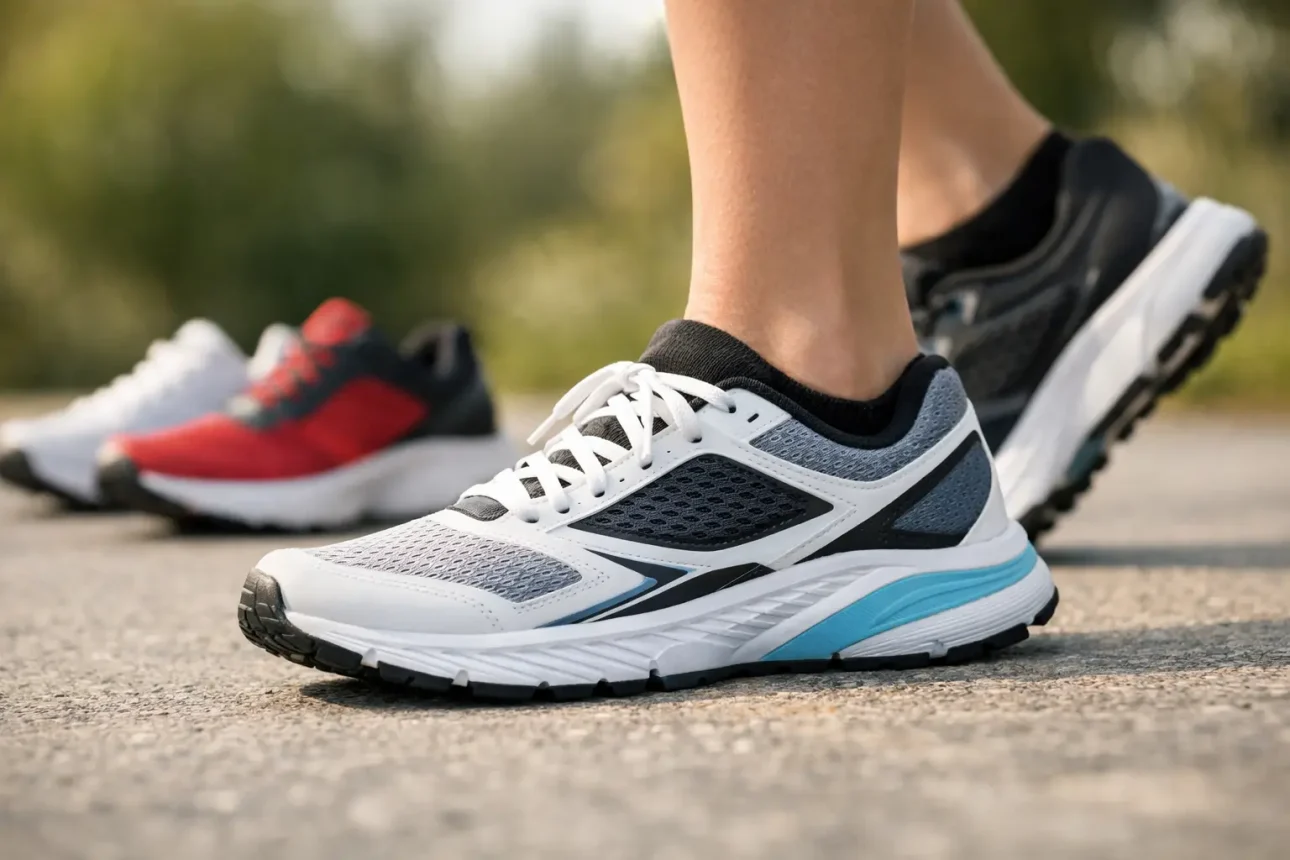
A cheap running shoe that feels dead after two weeks is not a deal. It’s a waste of money. The best budget running sneakers are the pairs that feel good on day one, still feel good a month later, and don’t make every run feel like work.
That’s the whole point here. Most people shopping budget running shoes are not chasing marathon PRs. They want something comfortable, solid, and worth the price. Maybe you’re jogging a few times a week. Maybe you walk a ton and want something that can handle light runs too. Maybe you just want one pair that looks clean and doesn’t punish your feet. We get it.
Price matters, but value matters more. A $55 shoe that bottoms out fast is worse than an $85 shoe that keeps its shape and grip. When we talk budget, we’re usually thinking under the premium tier – not bargain-bin junk.
What actually matters is simple. Cushioning should feel soft enough for easy miles but not mushy. The upper should hold your foot without rubbing. The outsole should have enough grip that you don’t feel sketchy on damp sidewalks. And the shoe should still look decent when you wear it outside your run.
This is where a lot of brands miss. They know people see a lower price and assume they can cut corners. Thin uppers, flat midsoles, hard ride, weak traction. Skip those. Budget should mean smart buy, not low standards.
Nike budget runners usually get one thing right fast – they look better than most of the competition. That’s not nothing. If you’re buying one pair to run and wear around town, style matters.
The trade-off is that Nike’s lower-priced running shoes can be hit or miss on underfoot feel. Some are clean and comfortable for short runs and daily wear. Others look sharp but feel stiff once you get past a couple miles. We pick Nike here if you want a shoe that does double duty and you don’t need max softness.
Adidas is often a safer budget pick than people expect. The brand has plenty of flashy pairs, but its more affordable running shoes tend to be straightforward. Good fit, decent grip, no weird drama.
If you like a slightly firmer ride, Adidas can be a solid move. Not everybody wants that sink-in feeling. For walking, gym sessions, and steady short runs, a budget Adidas runner usually makes more sense than the internet gives it credit for.
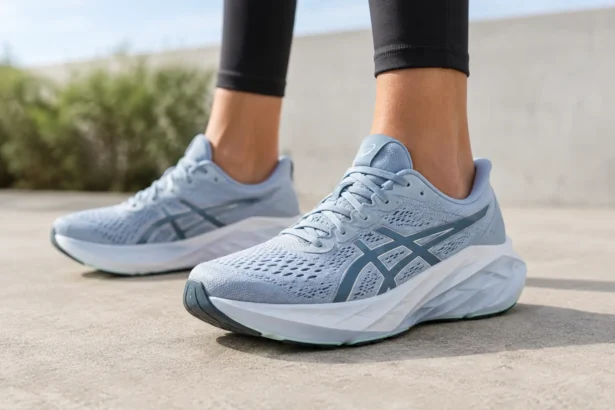
If you want the least risky choice, start with Asics. They rarely make the prettiest budget runner, but they usually make one of the most dependable. The fit is often secure, the ride feels stable, and the shoe does its job without begging for attention.
This is the pair we point people to when they’re tired of overthinking. You lace it up and go. If the shoe is a little plain, fine. Plain is better than flashy and annoying.
New Balance is strong in the budget lane because it understands comfort. Not every model is a winner, but the good ones tend to feel easy right away. No long break-in. No fighting the shape.
It also helps that New Balance often nails the balance between running and all-day wear. If you work on your feet and sneak in a run after, this brand deserves a look. Some models run a bit bulky, though. If you want a sleek, low-profile shoe, not every pair here will hit.
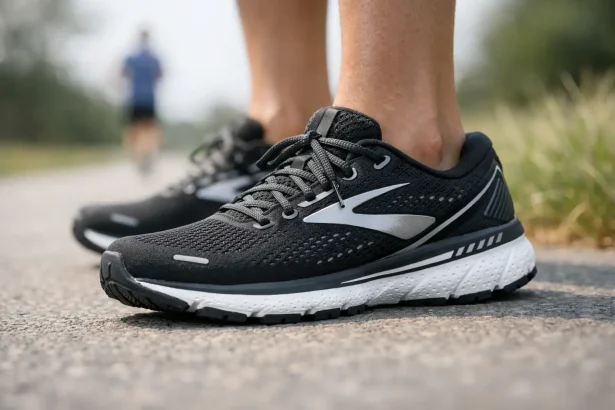
Brooks doesn’t usually chase style first, and honestly, that’s part of why its running shoes work. Even in lower price ranges, the brand tends to focus on comfort and stability over hype.
If you’re new to running, Brooks is one of the easier brands to trust. The downside is obvious. Some budget Brooks shoes look a little too practical. If that bugs you, fair enough. But if your feet care more than your mirror does, Brooks stays in the conversation.
Puma is the sleeper pick. The brand gets overlooked because people still think of it more for casual sneakers than running. That leaves some genuinely solid budget options flying under the radar.
We like Puma when you want something lighter and a little sharper-looking without paying a premium. Just don’t assume every budget Puma runner is built for long mileage. Some are better for short runs, errands, and daily wear. That’s still useful. Just know what you’re buying.
Let’s be blunt. Hoka is not the first name we think of for budget. The brand lives higher up the price ladder. But if you catch an entry model or an older color on sale, it can sneak into budget territory.
If that happens, pay attention. Hoka’s softer, more cushioned feel works really well for casual runners and people who spend a lot of time on their feet. The catch is that not every cheap-ish Hoka deal is actually a smart one. If it’s still priced way above stronger options from Asics or New Balance, skip the logo tax.
A few red flags show up over and over. The first is a midsole that feels hard in the store and somehow worse outside. If the shoe feels flat before you’ve even worn it, it won’t get better.
The second is a paper-thin upper with weird pressure points around the toe box or tongue. Cheap materials are one thing. Cheap construction is another. If it rubs right away, don’t talk yourself into it.
The third is fake versatility. A lot of budget sneakers get sold as running shoes when they’re really just sporty casual shoes. That’s fine if you’re mostly walking. Not fine if you’re doing regular miles. A real running sneaker should feel built to move, not just styled to look like it can.
If you’re heading out for two to four miles a few times a week, comfort and consistency matter most. We usually steer casual runners toward Asics, Brooks, or New Balance. These brands tend to feel more forgiving and less flashy-for-no-reason.
This is where Nike, Adidas, and New Balance often shine. They can give you enough comfort for short runs while still looking clean with regular clothes. If you’re buying one pair to do everything, that balance matters.
Look at Asics and Puma first. That’s where we often see the best mix of price and actual usefulness. Not always the most exciting. Usually some of the smartest buys.
There is a floor on budget running shoes. Once you go too low, you start paying in other ways. Sore feet. Burned-out foam. Slippery outsoles. A shoe that folds after a month.
For most people, the sweet spot is not the cheapest pair on the page. It’s the pair just above that. The one with a better midsole, a more secure fit, and an outsole that won’t wear smooth right away. Spend a little more once, and you’re usually better off than replacing a bad pair fast.
This is also why sale shopping beats bargain hunting. A discounted good shoe is better than a cheap bad one. Every time.
If you want the safest pick, go Asics. If comfort is your main thing, start with New Balance or Brooks. If you care about looks as much as runs, Nike and Adidas make more sense. If you want the under-the-radar option, check Puma. If you’re hunting Hoka at a budget price, be strict. A sale doesn’t automatically make it worth it.
We’d rather point you to a shoe that’s a little less exciting and a lot more wearable. That’s the move with budget running sneakers. Forget hype. Buy the pair you’ll actually want to put on tomorrow.
And if you’re staring at five tabs and getting nowhere, trust your use case more than the branding. The best pair is the one that fits your day, your run, and your budget without making you think twice after checkout.