Cart
No products in the cart.
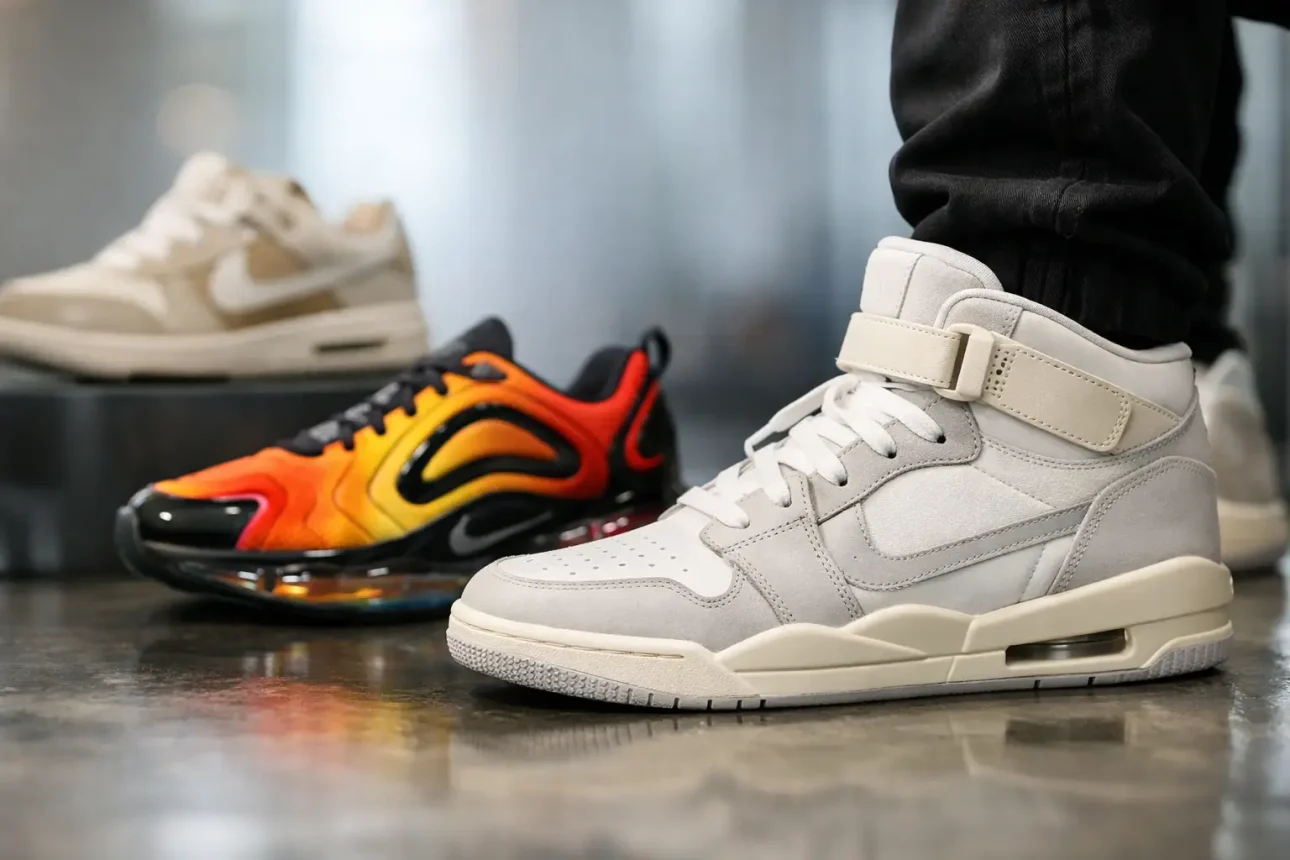
Some pairs sell out in minutes and still aren’t worth wearing twice. That’s the problem with exclusive sneaker releases today. A lot of noise, a lot of resale bait, and not enough honest talk about what actually belongs on your feet.
We don’t care how fast a shoe disappears if it fits bad, feels stiff, or only looks good in promo shots. If you’re trying to buy smart, not just fast, you need a better filter. Hype tells you what’s hot. We care about what still feels right a week later.
Start with the obvious question. Would you still want the shoe if nobody else noticed it? If the answer is no, skip it. That sounds blunt because it is. Too many limited pairs get attention for being scarce, not because they’re solid.
The first thing we look at is shape. Not stock photos. Shape. Some sneakers photograph well and look weird on foot. Bulky toe boxes, awkward paneling, midsoles that make your feet look twice as long as they are – that stuff matters. If the silhouette is clean, the shoe has a shot. If it looks forced, no collab name is saving it.
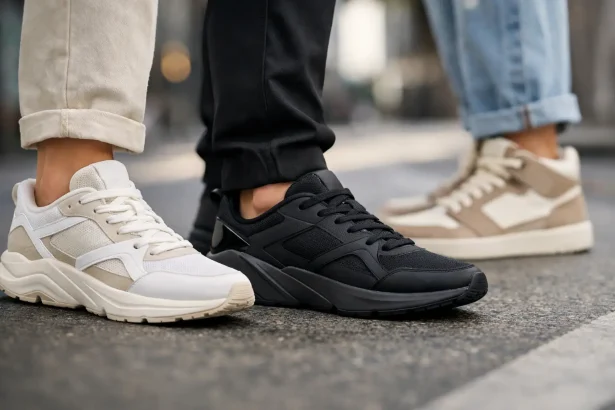
Then comes wearability. Can you put it on with normal clothes and walk out the door, or does it need a whole outfit built around it? The best exclusive releases don’t fight your closet. They slide into a rotation with jeans, cargos, shorts, or sweats and still look sharp.
Comfort matters too, but let’s be real. Not every exclusive sneaker is built for all-day wear. Some are made to be seen, not lived in. That’s fine if you know what you’re buying. It’s not fine if you’re paying a premium and getting a shoe you can’t last four hours in.
The best exclusive sneaker releases today usually fall into a few lanes. Clean retro models. Refined runners. Fashion pairs that don’t go full clown shoe. That’s where we keep our attention, because that’s where brands tend to get the balance right.
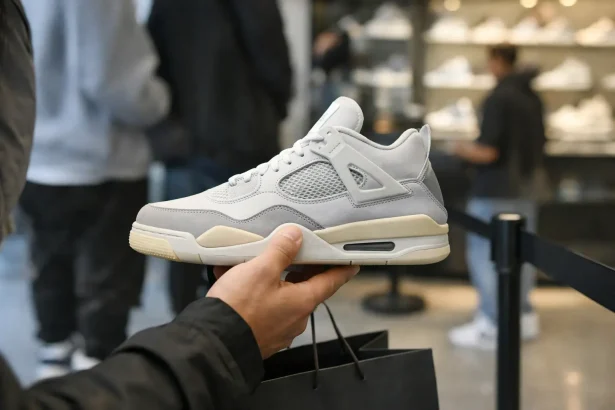
Nike and Adidas know retro sells. Sometimes too well. Plenty of throwback releases ride nostalgia and forget the part where people still have to wear them. We pick the retros that stay close to the original shape, keep the color blocking simple, and don’t overload the upper with fake storytelling.
A good retro feels easy. It looks good out of the box and better after a few wears. Think leather that creases normally, suede that adds texture, and soles that don’t feel like bricks. If a classic gets “reimagined” into something louder and worse, skip it.
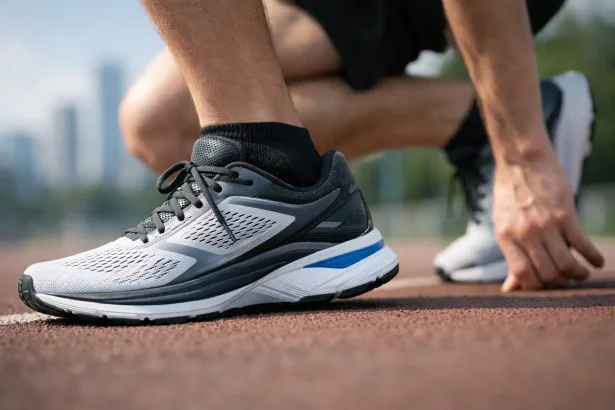
This is where brands like Asics, New Balance, Hoka, and sometimes Brooks get interesting. Not every performance shoe should cross into fashion, but some do it better than the usual hype brands. When the lines are clean and the cushioning isn’t oversized to the point of looking goofy, these pairs hit.
Asics does this well when it keeps the upper structured and the color mix sharp. New Balance is strong when it leans into neutral shades and lets the shape do the work. Hoka is trickier. Some pairs feel great and look rough. If you’re on your feet all day, that trade-off might be worth it. If style is the goal, be picky.
Most collaborations are overcooked. Too many details. Too much explanation. Too much marketing around a shoe that looks worse than the regular version. The good ones are simple. Better materials. A smarter color story. Maybe one detail that sets it apart. That’s enough.
If a collab needs a paragraph to explain why it matters, it probably doesn’t. A strong exclusive pair should make sense the second you see it. Not because it’s loud, but because it feels right.
They confuse limited with desirable. That’s the biggest miss.
Scarcity can make people rush, but it can’t make a bad shoe good. We see this all the time with pairs that have wild colors, weird textures, or packaging that gets more effort than the shoe itself. Cool box. Bad sneaker. Hard pass.
Another problem is price creep. A special release comes in with a higher tag, but the upgrades are thin. Maybe a different insole. Maybe a stitched logo. Maybe a story nobody asked for. If the materials aren’t better and the wear isn’t better, the price isn’t better. Pretty simple.
Sizing is another trap. Exclusive releases often use a familiar model name, but the fit can change because of different materials or construction. Leather might run snug. Mesh might feel loose. A padded collar can change the whole feel. If you already know a model, don’t assume every version fits the same.
We keep it basic because basic works.
First, we ask where you’ll wear it. If it’s a weekend shoe, we can forgive some things. Firmer cushioning. More delicate materials. A louder look. If it’s something you’ll wear often, we get stricter fast. It needs to feel good, hold up, and work with more than one outfit.
Next, we look at build. Does the upper feel cheap? Do the overlays look glued on for no reason? Is the outsole going to wear down fast if you actually walk in it? Those details tell you more than launch photos ever will.
Then we check whether the release is actually exclusive in a useful way. Better color. Better materials. Better shape. That’s useful. Artificially low stock with no real upgrade? That’s just pressure dressed up as product.
If you’re chasing every launch, you’re going to waste money. Most pairs are forgettable. Some are straight-up bad. The move is to get clear on what kind of shoe you actually need, then wait for the right version.
If you want one pair that can handle daily wear, lean toward cleaner colorways and proven models. Neutral New Balance. Sharp Asics. Select Adidas classics. Some Nike retros still do the job, but not all of them. Be honest with yourself. If a shoe only works on social media, it doesn’t work.
If comfort is the priority, don’t let exclusivity talk you into a flat, stiff shoe with premium branding. That’s backwards. Pick the pair you’ll still want on at 5 p.m. For a lot of people, that means looking at running-inspired models instead of old-school court shoes. Less nostalgia, more relief.
If style comes first, fine. Just don’t confuse loud with good. A clean sneaker in the right shape will outlast a trendy release with five colors fighting each other. We pick the pair that still looks sharp in six months, not just release week.
Sometimes it does. Better suede. Stronger leather. A rare colorway that fixes a model’s usual weak spots. That can be worth spending more on, especially if it’s a shoe you’ll wear often.
But if the shoe is expensive because the stock is low, not because the product is better, save your money. There is always another release coming. Always. The sneaker market runs on making you feel late. You’re not late. You’re just avoiding a bad buy.
This is also why multi-brand shopping matters. If one brand misses, another usually gets it right. You don’t need loyalty to a logo. You need a pair that fits your life. That might be a clean Adidas one week, a cushioned Hoka the next, or a New Balance pair that quietly beats both.
The best exclusive releases aren’t the hardest to get. They’re the ones you keep wearing. The pair by the door. The one you throw on without thinking. The one that still feels solid after the excitement fades.
That’s the standard we use. Not hype. Not resale chatter. Not fake urgency.
If you’re looking through exclusive releases and everything feels overbuilt, overpriced, or overhyped, trust that instinct. Skip the pair that needs convincing. Buy the one that looks right, feels right, and earns the space in your closet.